
Set up your AI draft assistant
AI Fantasy Sports works best as a sequence, not a scramble through settings. Do the minimum first: confirm compatibility, connect the core hardware, update only when needed, and test the result before adding optional features. That order keeps the task understandable and makes failures easier to isolate. After each step, pause long enough for the interface to finish syncing. Many setup problems are timing problems disguised as configuration problems. If the same step fails twice, record the exact error, restart the smallest affected piece, and retry before moving deeper.

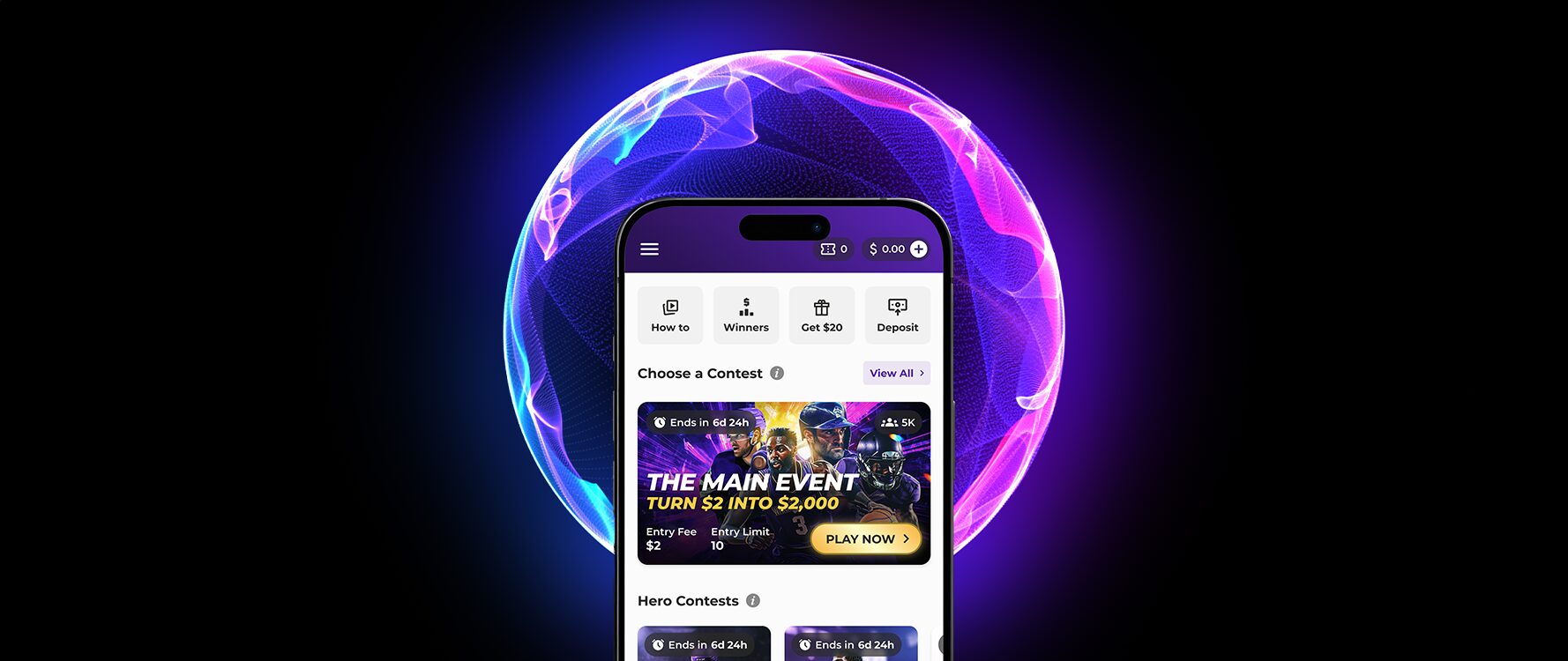
Compare top AI fantasy platforms
Choosing the right AI fantasy platform depends on whether you prioritize draft precision, live in-game adjustments, or broader league management. The market has shifted from simple player rankings to active coaching assistants that adapt to your specific roster. Below is a side-by-side comparison of the leading tools for the 2026 season.
| Platform | Primary Strength | Draft Features | Live/In-Game | Pricing Model |
|---|---|---|---|---|
| FantasyPros Coach AI | Overall Draft Intelligence | AI-driven advice, sleepers, rookie rankings | Waiver wire and roster optimization | Subscription |
| STACKED Fantasy | League-Specific Context | League sync, ADP movement, draft boards | Roster-specific AI recommendations | Freemium |
| RotoWire AI Draft Kit | Live Mock Drafts | Live mock drafts, strategy guides | Real-time player insights | Subscription |
| RotoBot | Statistical Accuracy | Player projections and rankings | Real-time lineup advice | Subscription |
FantasyPros Coach AI remains the top overall choice for managers who want a comprehensive AI coach. It combines deep historical data with real-time advice, making it ideal for the initial draft phase where setting a strong foundation is critical. If you prefer a tool that learns your specific league's dynamics, STACKED Fantasy offers superior league synchronization, adjusting recommendations based on your actual opponents and roster composition.
For those who live and breathe the draft, RotoWire’s AI Draft Kit provides robust live mock draft capabilities that simulate various scenarios. Meanwhile, RotoBot appeals to data-heavy managers who prioritize statistical accuracy over narrative-based advice, offering real-time lineup adjustments that can swing weekly outcomes. Most of these platforms operate on a subscription model, though STACKED offers a freemium tier to test core features before committing.

As an Amazon Associate, we may earn from qualifying purchases.
How AI Player Projections Work
Traditional fantasy sports relied on historical averages and expert intuition. Modern machine learning models have replaced static spreadsheets with dynamic, real-time analysis. Instead of looking only at last season’s stats, these systems ingest live data points—weather conditions, injury reports, and even referee tendencies—to adjust player projections on the fly.
The core advantage lies in the model’s ability to process complexity. A human manager might weigh a quarterback’s passing yards, but an ML algorithm simultaneously evaluates defensive line pressure rates, target share distribution, and opponent-specific coverage schemes. This allows for granular adjustments that static historical data simply cannot capture.
Callout: Static historical stats tell you what happened. AI-driven projections tell you what is likely to happen next, adapting instantly to new information like a sudden weather change or a key player’s late scratch.
This shift from reactive to predictive analytics is what separates top-tier AI fantasy sports tools from basic ranking sites. By focusing on machine learning for player projections, you are not just guessing; you are leveraging a system designed to find value in the noise of real-time sports data.
Automate waiver wire and trade decisions
Use this section to make the AI Fantasy Sports decision easier to compare in real life, not just on paper. Start with the reader's actual constraint, then separate must-have requirements from details that are merely nice to have. A practical choice should survive normal use, maintenance, timing, and budget. If a recommendation only works in an ideal situation, call that out plainly and give the reader a fallback path.
-
Verify the basicsConfirm the core specs, condition, and fit before comparing extras.
-
Price the downsideLook for the repair, maintenance, or replacement cost that would change the decision.
-
Compare alternativesCheck at least two comparable options before treating one listing as the benchmark.
Does AI ruin the fun of fantasy sports?
The rise of AI fantasy sports tools has sparked a debate in fantasy football communities. Critics argue that algorithms strip away the instinct, luck, and banter that make the game enjoyable. Some fans feel that relying on data-driven recommendations feels unfair or goes against the spirit of the sport.
However, many managers see AI as a way to level the playing field. By handling the heavy lifting of roster analysis, these tools allow you to focus on strategy and league engagement. The goal isn't to replace your judgment, but to support it with better information.
To keep the experience enjoyable, use AI as a co-pilot rather than an autopilot. Check the reasoning behind recommendations and make final decisions based on your own league context. This balanced approach helps you stay competitive while preserving the social elements of fantasy football.
Frequently asked questions about AI fantasy tools
Which AI is best for fantasy sports?
The top choice depends on your league platform. For league sync and draft intelligence, STACKED Fantasy is a strong contender, offering roster-specific recommendations and ADP tracking. If you prefer a broader data ecosystem, FantasyPros Coach AI combines AI advice with established player metrics. RotoBot AI also stands out for managers who want integrated trade grading and prop research across major platforms like Sleeper and ESPN.
Is AI taking the fun out of fantasy football?
This remains a debated topic. Critics argue that heavy reliance on AI removes the instinct, luck, and banter that define the hobby. Some fans feel it creates unfair advantages or leads to homogenized teams based on identical data sets. Others view it as a tool that enhances strategy without replacing the core enjoyment of roster management and weekly matchups.
Is RotoBot AI worth it?
Many users find significant value in its accuracy. Recent feedback highlights that the app’s trade grading and player insights can directly improve win rates. While some users note occasional processing delays, the consensus is that the precision of its recommendations outweighs the minor wait times, making it a legitimate asset for serious managers.
How to use AI for fantasy football?
Start by syncing your league platform to allow the AI to track your roster and opponents. Use its draft rankings and ADP data to identify value picks during the draft. Post-draft, leverage trade analysis tools to evaluate offers objectively. Finally, use weekly prop and matchup insights to make informed lineup decisions, treating the AI as a strategic advisor rather than an autopilot.
No comments yet. Be the first to share your thoughts!