
5 Fantasy Football Draft Strategies for 2026
The 2026 fantasy football draft demands precision over guesswork. We break down five actionable strategies to secure elite running backs and wide receivers before your opponents do.
-
Target high-upside rookies early
Treat top rookie running backs like Ashton Jeanty as foundational assets rather than speculative gambles. Drafting elite collegiate talent in the first round secures a high-floor floor with breakout ceiling before the market adjusts. This aggressive approach anchors your roster with proven production potential, allowing you to balance risk with established veterans in later rounds while capitalizing on the immediate impact rookies often bring to fantasy lineups. -
Identify sleepers in committee backs
Look beyond the clear lead back in crowded backfields to find value in high-volume change-of-pace players. These committee members often secure red-zone carries or pass-catching roles that yield disproportionate fantasy points relative to their draft position. Targeting these undervalued assets allows you to build depth without sacrificing upside, ensuring you have reliable options if your primary running back suffers an injury or faces a difficult matchup. -
Prioritize consistent WR1 targets
Wide receivers who command a high share of targets in stable offenses provide the most reliable weekly production. Focus on players in systems with established quarterback relationships and predictable play-calling tendencies. These consistent options minimize variance, offering a steady stream of points that anchors your starting lineup. Securing these reliable targets early ensures you have dependable scorers who can deliver value regardless of weekly opponent strength or game script fluctuations. -
Secure elite TE1 options
Elite tight ends offer a significant positional advantage due to the scarcity of high-end producers at the position. Drafting a top-tier tight end early allows you to secure a weekly advantage over opponents who must wait until later rounds for comparable production. These players often provide a safe floor with occasional breakout upside, making them valuable assets in both standard and PPR formats where their receiving skills are fully utilized. -

Draft QBs for upside
Quarterbacks with rushing upside provide a unique dual-threat advantage that can swing weekly matchups. Prioritize mobile signal-callers who can accumulate points through both passing yards and rushing touchdowns. This strategy capitalizes on the increasing value of quarterback rushing stats in modern fantasy leagues. By drafting a high-upside QB early, you secure a player capable of delivering elite weekly scores that can offset underperformance at other positions.
Use AI analytics to spot value
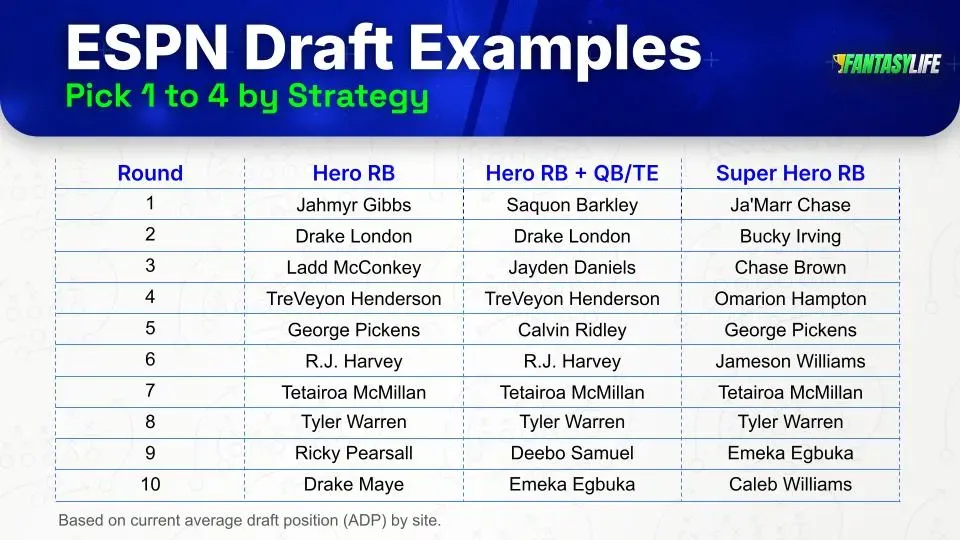
Standard draft rankings are a lagging indicator. They reflect the crowd’s current mood, not the player’s actual ceiling. By the time a name appears on the consensus charts from FantasyPros or ESPN, the market has already priced in his upside. To find true value, you need to look at the data before the hype builds.
AI-driven projection models process thousands of variables—target share, red-zone usage, and offensive line efficiency—to identify discrepancies between a player’s projected points and his average draft position (ADP). These models do not have emotional bias or recency bias. They simply calculate probability. If an algorithm projects a running back for 160 points but he is being drafted as a flex option, the data is signaling a mismatch.
This approach allows you to target players who are undervalued by the general population. You are not guessing; you are exploiting a mathematical inefficiency. The goal is to secure high-upside assets at a discount, giving you a stronger roster foundation as the draft progresses.
![Fantasy Football Draft Board 2025-2026 [ Premium 10 Team, 12 Team,14 Team Boards ]](https://m.media-amazon.com/images/I/71R-Uz2RRcL._AC_UL960_QL65_.jpg)
![Fantasy Football Draft Board 2025-2026 [ Premium 10 Team, 12 Team,14 Team Boards ]](https://m.media-amazon.com/images/I/713Pl3PKHYL._AC_UL960_QL65_.jpg)
As an Amazon Associate, we may earn from qualifying purchases.
Build Depth at Running Back
Injury risk and bye weeks make running back the most volatile position in fantasy football. You cannot rely on a single starter to carry your roster through a 14-week grind. Building depth means securing multiple reliable backs who can handle significant volume, ensuring you have a viable option when your primary starter sits out or gets hurt.
The goal is not to hoard running backs, but to draft players with proven usage floors. Target backs who are the clear lead in their committee or feature players in high-powered offenses. Avoid betting on high-upside handcuffs unless you have already secured a top-tier starter. In 2026, the gap between a workhorse back and a rotation player is the difference between a playoff berth and a last-place finish.
RB Tier Analysis
Use this comparison to understand the trade-off between safety (floor) and big-play potential (ceiling) when drafting. Early rounds prioritize floor; later rounds seek ceiling.
| Tier | Floor | Ceiling | Draft Strategy |
|---|---|---|---|
| Elite (Top 5) | High | Very High | Secure one early; add a second mid-round if available. |
| Solid Starters (6-15) | Moderate-High | Moderate | Target backs with clear lead-back roles. |
| High-Risk High-Reward (16-25) | Low | High | Use only if you have a proven starter already. |
| Handcuffs/Depth (26+) | Very Low | Variable | Draft based on injury risk of your starters. |
Essential Draft Gear
Having the right tools for your draft day preparation can streamline your research and help you stick to your strategy. These items are commonly used by serious fantasy managers to stay organized and focused.


As an Amazon Associate, we may earn from qualifying purchases.
Common Draft Questions
Wait on quarterbacks until round 10
Use this section to make the 5 Fantasy Football Draft Strategies for decision easier to compare in real life, not just on paper. Start with the reader's actual constraint, then separate must-have requirements from details that are merely nice to have. A practical choice should survive normal use, maintenance, timing, and budget. If a recommendation only works in an ideal situation, call that out plainly and give the reader a fallback path.
The simplest way to use this section is to write down the must-have criteria first, then compare each option against those criteria before weighing nice-to-have features.
Faq: 2026 draft: what to check next
When should I start drafting rookies?
Rookie rankings shift constantly as training camp reports and preseason performances emerge. In 2026, the safest approach is to wait until late in the draft—typically rounds 8 through 12—before targeting a rookie. Early rounds are better spent securing proven veterans who offer stable weekly floors. If you do draft a rookie early, you are betting on high upside, not consistency. Most experts agree that waiting allows you to see how rookies handle NFL defenses before committing valuable picks.
Is it better to draft a running back or wide receiver early?
The value varies by league format, but wide receivers generally offer more positional scarcity in standard PPR leagues. Running back depth is deeper, meaning you can find productive RBs in later rounds. However, if your league uses half-PPR or standard scoring, top-tier running backs become more valuable. Check your league’s specific scoring settings before finalizing your strategy. Consensus rankings from ESPN and FantasyPros often highlight this distinction clearly.
What tools help me track real-time draft rankings?
Real-time data is essential for adjusting your strategy during the draft. FantasyPros offers a consensus cheatsheet that aggregates rankings from dozens of experts, giving you a balanced view of player value. ESPN’s PPR rankings provide another reliable source for format-specific adjustments. Using these tools helps you avoid bias and ensures you are drafting based on collective expert opinion rather than personal preference alone.
Do I need to buy specific gear for my draft party?
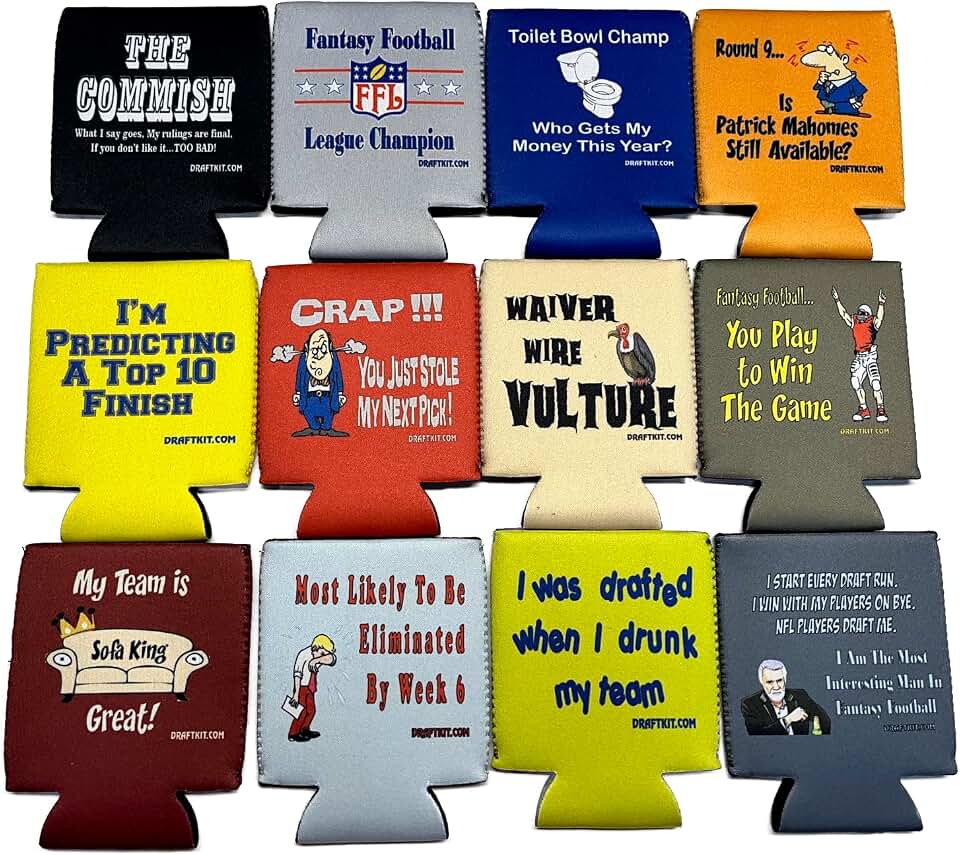
A successful draft requires more than just rankings. Having the right setup reduces stress and keeps the focus on strategy. Consider these essentials for your draft day:


As an Amazon Associate, we may earn from qualifying purchases.
These items help keep your draft organized and enjoyable, ensuring you stay focused on securing the best players for your team.
Shop for draft day gear
Bring your research to the draft with the right tools. A reliable tablet or large monitor keeps your consensus rankings from FantasyPros or ESPN visible at all times. Pair this with a dedicated notebook for tracking waiver wire moves and last-minute injury updates during the draft.
Use a printed cheat sheet or a tablet app to monitor your roster construction. Having a physical backup ensures you can pivot quickly if a player falls unexpectedly.
Draft timers are unforgiving. Set up a digital timer on your phone or use the league’s built-in countdown to avoid passing on a top-tier tight end.
Keep your league chat open. Real-time trade rumors or injury reports can shift value instantly, so having your phone within reach is essential.


As an Amazon Associate, we may earn from qualifying purchases.
No comments yet. Be the first to share your thoughts!