
AI sports analytics in 2026
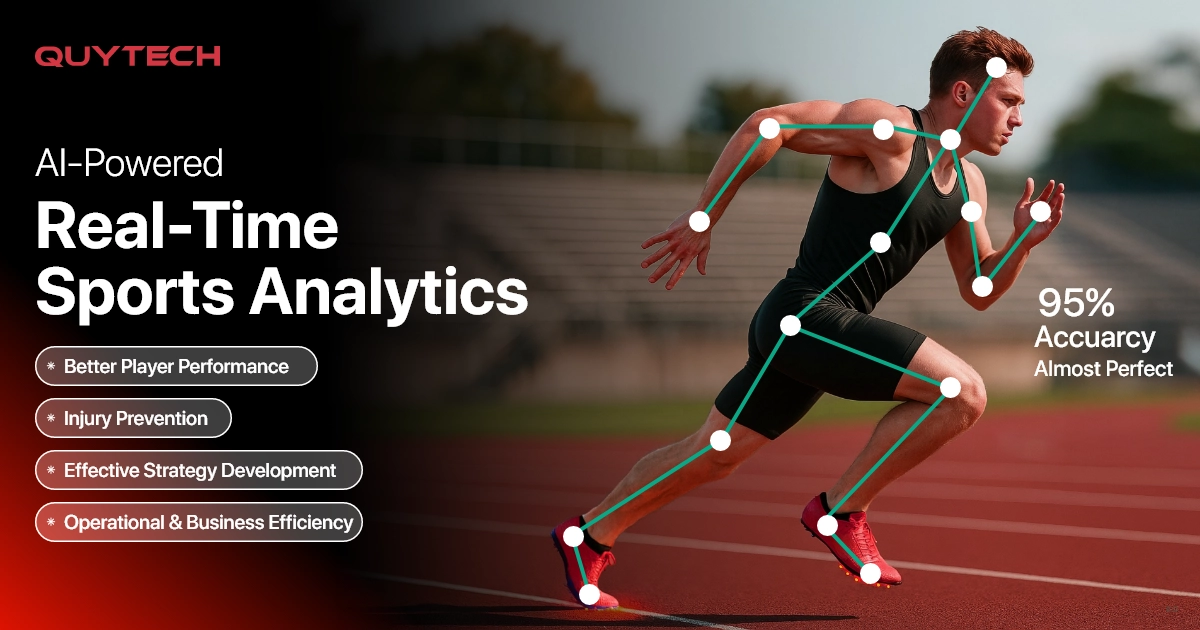
Artificial intelligence has moved from the sidelines to the center of sports analytics. By 2026, wearable devices no longer just count steps; they decode biomechanics in real time. This shift transforms raw data into actionable coaching insights, allowing athletes and teams to optimize performance with surgical precision.
The core value lies in predictive modeling. Machine learning algorithms analyze patterns from historical data to forecast injuries, fatigue, and peak performance windows. This isn't about replacing human judgment but augmenting it with objective, continuous feedback loops that were impossible just a few years ago.
While automation handles the heavy lifting of data processing, the role of the analyst is evolving rather than disappearing. Research suggests AI could automate up to 40% of routine data analysis tasks by 2030. This means professionals must pivot toward interpreting complex models and integrating them into strategic game plans.
Choosing AI Sports Analytics: The Tradeoffs You Face
Adopting AI-powered wearables in 2026 means balancing precision against practicality. The market has shifted from simple step counting to complex biometric modeling, but not every metric justifies the cost or complexity. You must evaluate how these devices integrate with your existing workflow and whether the data they generate actually improves performance or simply adds noise.
The following comparison breaks down the primary tradeoffs between different categories of AI sports analytics tools. Use this to determine which approach aligns with your specific athletic goals and technical comfort level.

| Category | Primary Strength | Key Limitation | Best For |
|---|---|---|---|
| Chest Strap HRM | Real-time heart rate accuracy | No GPS or movement data | Interval training precision |
| GPS Watch | Route mapping and pace | Battery drains quickly | Endurance athletes |
| Smart Clothing | Biomechanics and posture | Expensive and delicate | Technique refinement |
| AI Coaching Apps | Personalized feedback | Requires quality data input | Self-coached individuals |
What to Prioritize
Focus on metrics that directly impact your performance. If you are a runner, GPS accuracy and battery life are non-negotiable. For strength athletes, heart rate variability and recovery metrics matter more than pace. Avoid buying into ecosystems that track too many variables you will never review.
The Human Element
AI is a tool, not a replacement for coaching intuition. The best analytics enhance your understanding of your body but cannot replicate the nuanced decision-making of an experienced coach. Use these devices to validate what you feel, not to replace your instinct.
Evaluation Checklist for 2026 Wearables
-
Battery Life
Ensure the device lasts through your longest training sessions without needing a recharge. -
Data Export
Check if the platform allows you to export raw data for independent analysis or coaching review. -
Comfort
A device you forget to wear provides no value. Prioritize lightweight, ergonomic designs.
Choose the next step
How AI-Powered Wearables Are Redefining Sports Analytics works best as a clear sequence: define the constraint, compare the realistic options, test the tradeoff, and choose the path with the fewest hidden costs. That order keeps the advice usable instead of decorative. After each step, pause long enough to check whether the recommendation still fits the reader's actual situation. If it depends on perfect timing, unusual access, or a best-case budget, include a simpler fallback.
Watchouts: Avoid the Weak Options
Not every wearable delivers on the promise of AI-driven sports analytics. The market is crowded with devices that track heart rate but fail to provide actionable movement data. Before you invest, check if the device actually processes biomechanics or just logs basic vitals.
Spotting Misleading Claims
Many devices advertise "advanced AI coaching" while offering only generic alerts. Look for specific metrics like stride symmetry or ground contact time. If the marketing copy lacks these technical details, the software likely isn't performing real-time analysis.
Common Mistakes in Data Interpretation
Raw data without context is misleading. A high heart rate might mean intense effort or dehydration. Ensure your wearable offers personalized baselines rather than one-size-fits-all thresholds. Always cross-reference device data with how you actually feel during training.
The Risk of Over-Reliance
Technology should support, not replace, your intuition. Some athletes become so focused on numbers that they ignore physical fatigue. Use wearables as a guide, not a command. If the data conflicts with your body's signals, trust your body.
Weak Options to Avoid
Skip devices that require monthly subscriptions for basic features. The best wearables provide essential analytics out of the box. Check if the hardware is future-proofed with software updates that add value over time.
Ai sports analytics 2026: what to check next
The shift toward AI-powered wearables has sparked practical concerns among athletes and coaches. Here are the most common questions about how these tools fit into modern training and competition.
Will sports analytics be replaced by AI?
Not entirely. While AI can automate up to 40% of routine data analysis tasks by 2030, it cannot replace the nuanced context that human analysts provide. Wearables generate raw metrics, but coaches interpret how those metrics impact real-game strategy and team dynamics.
Are AI wearables accurate enough for professional use?
Yes, for trend analysis and injury prevention. Modern wearables use advanced sensors to track heart rate variability and movement patterns with high precision. However, they are best used as a decision-support system rather than a standalone oracle for in-game tactics.
Do athletes need to be tech-savvy to use them?
No. The 2026 generation of wearables prioritizes simplicity. Interfaces are designed to provide immediate, actionable feedback through simple visual cues or haptic signals, allowing athletes to focus on performance rather than data interpretation.
Can small teams afford AI analytics?
Costs have dropped significantly. While elite teams invest in proprietary models, cloud-based analytics platforms now offer affordable access to the same underlying AI algorithms, leveling the playing field for smaller organizations and individual athletes.
Helpful gear
Use these product recommendations as a starting point, then choose the size, material, and price point that fit how you actually use the gear.


As an Amazon Associate, we may earn from qualifying purchases.
No comments yet. Be the first to share your thoughts!