
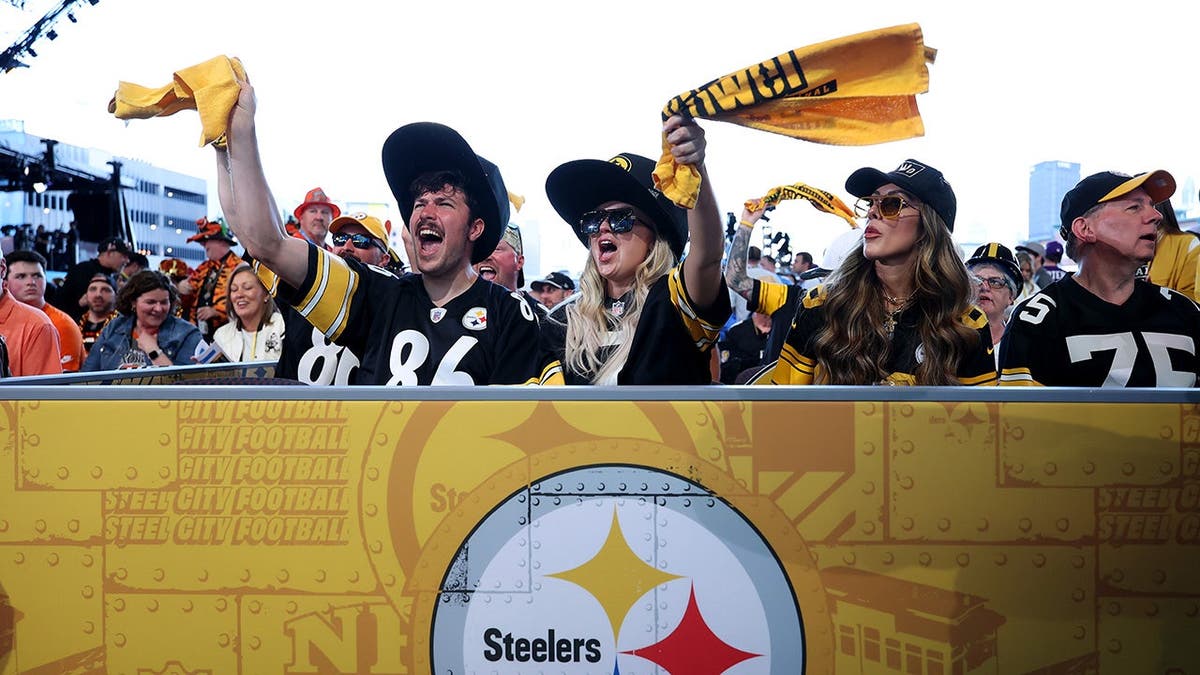
2026 NFL Draft Budget
The 2026 NFL draft is the most unpredictable in history, and that uncertainty extends directly to your fantasy football wallet. When prospect evaluations are this volatile, the smartest move is often to ignore the hype and target players who offer immediate value at a lower cost. You are looking for "budget" picks—players whose draft position may be inflated by potential but whose current production justifies a much lower acquisition price.
In a draft class where top-tier talent is scarce, the middle rounds become the goldmine. This is where you find players with proven track records but lower ceilings, making them perfect for building a stable core without breaking the bank. Focus on players who have consistently performed against average competition rather than those who dominated weak schedules. These athletes provide reliable, week-to-week production that stabilizes your roster during the unpredictable early season.
When evaluating these budget-friendly options, look for specific traits that translate to fantasy success regardless of the NFL scheme. Speed, hands, and football IQ matter more than raw athleticism in the short term. Prioritize players who are ready to contribute immediately over projects who might develop later. This approach minimizes risk and maximizes your chances of finding hidden gems that outperform their draft position significantly.
Top Budget-Friendly Fantasy Assets
These picks represent the best value in the 2026 NFL draft landscape, offering high upside with lower entry costs.


As an Amazon Associate, we may earn from qualifying purchases.
2026 NFL Draft Top Prospects Comparison
The 2026 NFL Draft is shaping up to be a wide-open field, with no single position group dominating the first round like previous years. While quarterback Fernando Mendoza from Indiana has drawn significant early attention, the depth of edge rushers, running backs, and wide receivers creates genuine unpredictability for general managers.
To help evaluate the strongest options available, we have compared the top prospects across key performance metrics. This comparison highlights the distinct strengths and positional value of the leading candidates, allowing you to assess where each player fits best in a modern NFL scheme.
| Prospect | Position | College | Key Strength |
|---|---|---|---|
| Fernando Mendoza | QB | Indiana | Pocket presence and arm talent |
| David Bailey | EDGE | Texas Tech | Pass rush versatility |
| Jeremiyah Love | RB | Notre Dame | Yards after contact |
| Carnell Tate | WR | Ohio State | Route running precision |
| Arvell Reese | CB | Ohio State | Ball skills and coverage |
Evaluation Notes
Fernando Mendoza’s combination of size and processing speed makes him the likely first overall pick, though his accuracy under pressure remains a point of scrutiny. David Bailey offers immediate impact as a pass rusher, providing a high-floor option for teams needing defensive line disruption.
Running back Jeremiyah Love brings physicality that translates well to short-yardage situations, while wide receiver Carnell Tate’s route tree is considered the most polished in this class. Cornerback Arvell Reese provides elite coverage skills, addressing a critical need for many playoff-contending teams.


As an Amazon Associate, we may earn from qualifying purchases.
Inspect the expensive parts
Use this section to make the Why the NFL Draft is the Most Unpredictable in History decision easier to compare in real life, not just on paper. Start with the reader's actual constraint, then separate must-have requirements from details that are merely nice to have. A practical choice should survive normal use, maintenance, timing, and budget. If a recommendation only works in an ideal situation, call that out plainly and give the reader a fallback path.
-
Verify the basicsConfirm the core specs, condition, and fit before comparing extras.
-
Price the downsideLook for the repair, maintenance, or replacement cost that would change the decision.
-
Compare alternativesCheck at least two comparable options before treating one listing as the benchmark.
Ownership Costs
Buying an NFL jersey is easy. Keeping it in good shape is where the budget often breaks. The sticker price on a top-tier replica or authentic jersey is just the entry fee. What follows is the cost of ownership, which includes cleaning, storage, and the inevitable replacement of parts that wear out faster than the fabric.
Many fans treat their gear like a museum piece, storing it in plastic bins that trap humidity. This leads to mildew and stiff collars. Others throw their jerseys in the wash with heavy towels, shrinking the material or fading the screen-printed numbers. The result is a garment that looks ten years older than it is, forcing you to buy a new one sooner than expected.
Think of your jersey collection like a car. You can buy a used sedan for cheap, but if you skip the oil changes and tire rotations, it will break down on the highway. A $150 jersey that lasts five seasons with proper care is cheaper than a $60 jersey that falls apart after two washes. The trick is knowing when a cheap buy stops being cheap.
The Hidden Costs of Care
- Cleaning Supplies: Specialized detergents for athletic fabrics or gentle hand-wash kits cost more than standard laundry soap. Avoid bleach and fabric softeners at all costs.
- Storage Solutions: Breathable garment bags or wide wooden hangers prevent shoulder stretching and keep dust off. Cheap plastic hangers can warp the shoulders over time.
- Repairs: Loose threads, peeling numbers, or torn seams are common. A simple sewing kit or iron-on patches can extend the life of a jersey by years.
When to Replace
If the fabric is thinning at the collar or the numbers are cracking extensively, it’s time to retire the jersey. Wearing a damaged jersey can lead to further tearing, making repair impossible. At that point, the cost of care outweighs the value of keeping it.


As an Amazon Associate, we may earn from qualifying purchases.
2026 nfl draft: what to check next
The 2026 NFL Draft is widely considered the most unpredictable in recent history, with early projections showing massive volatility across all seven rounds. This uncertainty stems from a thin pool of elite quarterback prospects and a deeper-than-average class of defensive linemen and edge rushers. Teams are forced to deviate from traditional draft boards, making real-time value assessments more critical than ever.
Will the top quarterback prospects fall in the first round?
Unlike recent drafts featuring generational QB talents, the 2026 class lacks a clear number-one signal-caller. Fernando Mendoza of Indiana is the top-rated prospect, but his draft stock remains fluid based on pre-draft interviews and combine performance. If he slides, multiple teams may reach for him, or they might pivot to defensive help. This creates a "drop zone" where several starting-caliber QBs could be available in the late first or early second round, drastically altering team strategies.
How deep is the defensive line compared to other positions?
The 2026 draft features an unusually deep group of edge rushers and interior linemen. David Bailey from Texas Tech and Anthony Hill from Miami are projected as early first-rounders, but several other high-impact defenders are expected to go in the top 50 picks. This depth allows teams to find immediate starters outside the top 15 selections, reducing the pressure to trade up for a defensive prospect and encouraging a "best player available" approach.
Are there any breakout stars to watch in rounds 3-5?
History shows that the most impactful players often emerge from the middle rounds. In 2026, running back Jeremiyah Love (Notre Dame) and wide receiver Carnell Tate (Ohio State) are poised for potential breakout seasons if they land in favorable systems. These players offer high ceiling relative to their draft position, making them valuable targets for teams looking to add production without spending first-round capital.
What makes this draft so unpredictable compared to previous years?
Three factors drive the unpredictability: quarterback uncertainty, defensive depth, and a lack of consensus on top-tier wide receivers. Mock drafts have changed weekly, with top 10 selections shifting based on minor injuries and team needs. This environment rewards scouts who identify hidden value in smaller conferences or players with unique athletic profiles rather than relying solely on traditional production metrics.
No comments yet. Be the first to share your thoughts!