
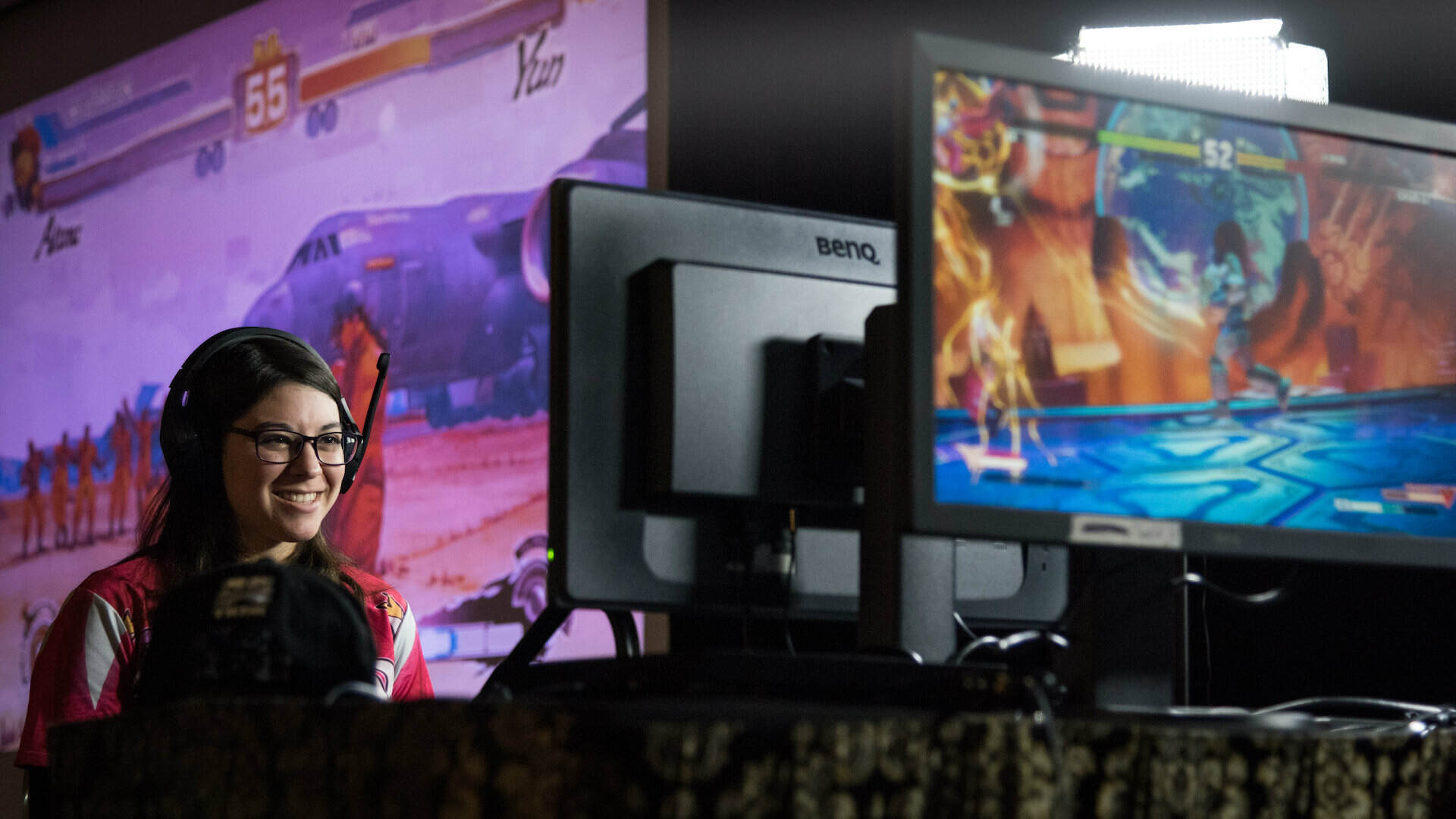
Market stability replaces rapid growth
The esports sector is entering a period of structural consolidation, marking a distinct departure from the hyper-growth phase that characterized the early 2020s. Industry analysts and major data providers, including Esports Charts, note that the focus has shifted from rapid expansion to sustainability and long-term stability. This transition reflects a broader maturation of the market, where investors and stakeholders prioritize resilient business models over speculative volume.
This shift toward structured ecosystems is driven by a demand for competitive relevance and consistent engagement. Fans and players increasingly value quality and fairness over sheer quantity of events. As a result, organizations are streamlining operations to ensure long-term viability rather than chasing short-term viral spikes. The market is no longer defined by chaotic entry but by calculated retention and professionalized management.
To visualize this broader market sentiment, we can look at performance indicators from related technology sectors. The following chart illustrates recent trends in a major technology index, which often correlates with investor confidence in digital entertainment and esports infrastructure.
The move toward stability does not imply stagnation. Instead, it suggests a healthier, more predictable environment for investment. By focusing on sustainable growth, the industry is building a foundation that can withstand economic fluctuations. This approach aligns with the expectations of modern stakeholders who seek reliable returns and enduring community engagement.
AI referees ensure fair play
The integration of artificial intelligence into officiating marks a structural shift in competitive integrity. Traditional human refereeing, while valuable for nuance, struggles with the speed and scale of modern esports. AI referees offer a solution by processing game data in real-time, detecting anomalies that exceed human reaction thresholds.
Real-time cheat detection is the primary application. Machine learning models analyze player inputs and game states continuously, flagging patterns consistent with aimbots, wallhacks, or speed manipulation. This automated monitoring reduces the latency between violation and enforcement, ensuring that matches are decided by skill rather than software exploits. Major tournaments are increasingly adopting these systems to maintain trust in competitive outcomes.
Automated rule enforcement extends beyond cheating. AI systems can monitor for intentional feeding, griefing, or rule violations like illegal character usage. By handling these infractions instantly, the system allows human referees to focus on strategic disputes and match flow. This division of labor creates a more robust framework for maintaining fair play across global leagues.
VR stadiums create immersive events
Use this section to make the Esports Trends decision easier to compare in real life, not just on paper. Start with the reader's actual constraint, then separate must-have requirements from details that are merely nice to have. A practical choice should survive normal use, maintenance, timing, and budget. If a recommendation only works in an ideal situation, call that out plainly and give the reader a fallback path.
The simplest way to use this section is to write down the must-have criteria first, then compare each option against those criteria before weighing nice-to-have features.
Blockchain leagues drive ownership
Blockchain technology is reshaping esports by shifting value from centralized organizers to participants. Instead of treating fans as passive consumers, blockchain leagues create transparent economies where players and supporters hold tangible assets. This transition is turning tournament structures into decentralized networks, allowing for verifiable ownership of in-game items and tokens.
The financial scale of this shift is significant. The broader esports market is estimated at USD 4.5 billion in 2026, with MOBA games accounting for nearly 29% of revenue demand. Within this ecosystem, blockchain-based leagues are carving out a niche by offering fractional ownership of teams and exclusive access rights through non-fungible tokens (NFTs). This creates a secondary market for digital collectibles that generates ongoing revenue for leagues rather than one-time sales.
Transparency is the core utility here. Smart contracts automate prize distribution and royalty payments, reducing administrative friction and ensuring that creators and players receive their share immediately. This clarity builds trust in a market often criticized for opaque financial practices. As major publishers experiment with tokenized economies, the integration of live market data helps stakeholders track the real-time value of these digital assets.
Mobile gaming captures new audiences
Mobile esports is rapidly shifting from a casual pastime to a dominant force in global competitive gaming. By lowering the barrier to entry, mobile titles are capturing audiences in emerging markets where high-end PCs and consoles remain out of reach. This accessibility is expanding the viewership base far beyond the traditional core of PC and console players.
Games like Mobile Legends: Bang Bang and PUBG Mobile have established robust tournament ecosystems in regions such as Southeast Asia, India, and Latin America. These titles leverage the ubiquity of smartphones to drive massive engagement, often surpassing traditional esports titles in daily active users and regional viewership spikes. The competitive scene is no longer confined to dedicated gaming hubs; it is happening wherever there is an internet connection.
This demographic shift is reshaping the revenue landscape. Sponsorships and advertising dollars are flowing toward mobile leagues that offer scale and accessibility that PC-centric events cannot match. As mobile infrastructure improves in developing economies, the gap between casual mobile play and professional mobile esports continues to narrow, solidifying mobile as a primary pillar of the 2026 esports economy.
| Platform | Viewership Growth Trend | Entry Barrier |
|---|---|---|
| Mobile | High (Emerging Markets) | Low (Smartphone Penetration) |
| PC | Steady (Established Markets) | High (Hardware Cost) |
| Console | Moderate | Medium (Hardware + Subscription) |
No comments yet. Be the first to share your thoughts!