
The 2026 fantasy sports market size
The fantasy sports landscape is expanding at a pace that outstrips most traditional entertainment sectors. In 2026, the global fantasy sports market is estimated to reach USD 42.37 billion, a significant jump from the USD 37.28 billion recorded in 2025. This surge is not merely a cycle of renewed interest but a structural shift driven by deeper integration of artificial intelligence in draft processes and betting markets.
Growth projections indicate this momentum will accelerate through the decade. Industry analysts project the market will surpass USD 80 billion by 2031, representing a compound annual growth rate (CAGR) of approximately 13.66%. Some forecasts suggest even higher growth trajectories, with other major research firms citing CAGRs between 14.55% and 15.7% for the 2026–2033 period, depending on regional adoption rates and regulatory clarity.
This financial scale is underpinned by technological adoption. The integration of AI-driven analytics for player valuation and real-time decision-making has transformed fantasy sports from a passive hobby into a data-intensive industry. As platforms compete for user attention, the value of sophisticated data tools and premium subscription services continues to drive revenue upward.
The chart below illustrates the projected market growth trajectory from 2025 to 2031, highlighting the substantial increase in market valuation driven by these technological and consumer shifts.
How AI Draft Algorithms Change Player Valuation
Traditional Average Draft Position (ADP) data tells you what other people did in the past, but it rarely explains why. In 2026, AI-driven draft tools are shifting the focus from retrospective averages to predictive probability. These algorithms ingest millions of data points—player efficiency ratings, matchup difficulty, and even injury risk—to simulate thousands of draft scenarios before the first pick is made. For fantasy managers, this means moving beyond "safe" picks toward players with higher expected point ceilings.
The core advantage of these tools is their ability to identify market inefficiencies. While human managers often overvalue recent performance or familiar names, AI models look for structural advantages that the broader market misses. For example, an algorithm might flag a running back like Trey Benson or a quarterback like Mailk Willis as undervalued relative to their projected output, based on projected offensive line performance and defensive matchups. This allows managers to draft high-upside players earlier than the consensus would suggest.
This shift requires a different approach to roster construction. Instead of waiting for a player to prove themselves in Week 1, AI tools provide a probability-weighted expectation from the start. Managers can use these insights to target specific positions early, knowing that the AI has identified a surplus of value at that spot. This isn't just about picking the best player available; it's about picking the best player available relative to the projected drop-off in production at that specific draft position.
The result is a draft process that feels less like a gamble and more like a calculated investment. By relying on these predictive models, managers can reduce the emotional bias that often leads to drafting players based on name recognition alone. The goal is no longer to match the average draft, but to outperform it by leveraging data that most other managers aren't using.
Comparing platform strategies
The 2026 fantasy sports market is splitting into two distinct camps: legacy incumbents leaning on massive user bases and AI-driven efficiency, versus agile newcomers prioritizing specialized draft algorithms and real-time data integration. Choosing the right platform now depends less on brand recognition and more on how each system handles the influx of automated draft assistance and predictive analytics.
The following table compares the core capabilities of the top three fantasy platforms dominating the 2026 landscape. These metrics reflect current AI integration levels, estimated active user bases, and average draft completion speeds based on recent industry reports from the Fantasy Sports & Gaming Association.
| Platform | AI Capabilities | Active Users | Avg. Draft Time |
|---|---|---|---|
| DraftKings | Predictive lineup optimization & real-time injury alerts | ~4.5 million | ~35 minutes |
| FanDuel | Smart roster suggestions & sleepers dashboard | ~3.8 million | ~42 minutes |
| Yahoo | Basic AI draft assistant & historical trend analysis | ~2.1 million | ~50 minutes |
DraftKings leads in raw AI utility, offering predictive lineup optimization that adjusts automatically based on live injury reports and weather conditions. FanDuel focuses on user experience, integrating sleepers dashboards that feel less like data dumps and more like curated advice. Yahoo remains the traditional choice, relying on historical data rather than aggressive predictive modeling, which appeals to managers who prefer manual control over algorithmic suggestions.
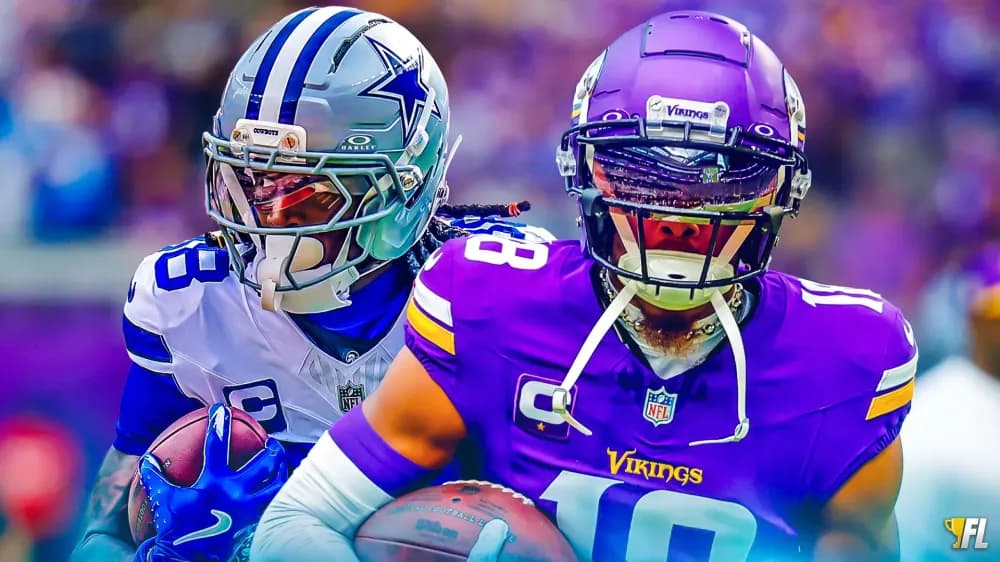
Block sports draft adjustments
The 2026 fantasy landscape in football is defined by a sharp pivot in positional value, driven by shifting league-wide offensive trends. Teams are prioritizing tight ends at an unprecedented rate, altering how managers approach the middle rounds of their drafts. This shift is not merely cosmetic; it reflects a tangible change in how scoring opportunities are distributed across the roster.
Tight end value spikes
From 2016 to 2022, NFL teams drafted an average of 2.4 tight ends in the first few rounds of the draft. In the 2026 cycle, that number has climbed significantly as offenses seek reliable safety valves in congested passing games. The result is a compressed supply of high-upside tight ends available in the middle rounds. Managers who wait too long to secure a top-tier option often find themselves stuck with players who have low weekly floors. This trend makes early tight end selection a strategic necessity rather than an afterthought.
Quarterback depth recalibration
Simultaneously, quarterback depth charts are becoming more volatile. With passing yardage and dropbacks trending downward in recent seasons, the margin for error at the position has shrunk. This volatility forces managers to look beyond the obvious starter names and identify backup quarterbacks who may see increased snaps due to injuries or game script changes. The ability to predict which backups will step into meaningful roles is now as valuable as selecting the starter.
Wide receiver tier shifts
The wide receiver position is experiencing a similar recalibration. With WR2s and lower-tier receivers failing to deliver consistent points in 2025, managers are increasingly cautious about investing high draft capital in mid-tier wideouts. The strategy is shifting toward securing elite top-end talent early and filling out the rest of the roster with flexible players who can contribute across multiple positions. This approach mitigates the risk of a single position underperforming and derails the entire fantasy season.
The Long Arc of Fantasy Engagement
The fantasy sports landscape is shifting from niche hobby to mainstream financial instrument. Valuations reflect this momentum: the market stands at an estimated $42.37 billion in 2026, with projections reaching $80.31 billion by 2031. This nearly doubling of market size signals a structural change in how fans interact with sports data.
Regulatory clarity is the primary catalyst for this expansion. As more jurisdictions legalize and regulate fantasy gaming, the barrier to entry for institutional capital lowers. The Fantasy Sports & Gaming Association notes that participation rates are stabilizing even as the total addressable market grows, suggesting that retention strategies are becoming more sophisticated than simple acquisition.
AI is the engine driving this retention. By 2031, personalized draft assistants and real-time predictive modeling will likely be standard features, not premium add-ons. These tools reduce the cognitive load of managing rosters, allowing casual fans to engage deeply without becoming data analysts.
To track the broader market sentiment influencing these platforms, investors monitor key tech indices that often correlate with digital engagement spikes during major sporting events.
No comments yet. Be the first to share your thoughts!