
AI Sports Analytics in 2026: The New Data Standards
In 2026, AI sports analytics have shifted from experimental tools to foundational infrastructure. The industry is no longer asking if AI can predict outcomes, but how teams can integrate high-volume, real-time data into their daily operations without overwhelming staff. This transition is driven by new data standards that prioritize interoperability and speed, allowing disparate systems to communicate seamlessly.
The core change is the move toward unified data frameworks. Previously, teams struggled with siloed information from wearables, video analysis, and tactical software. New standards, often discussed in venues like the Sloan Sports Analytics Conference, are creating a common language for this data. This allows coaches to access a holistic view of player performance and opponent tendencies in real time, rather than piecing together reports days later.
For most teams, the immediate impact is a shift in resource allocation. The focus is moving from data collection to data interpretation. With more reliable and standardized inputs, the value lies in the insights generated, not the volume of data stored. Teams are investing in roles that bridge the gap between technical data science and on-field application, ensuring that AI recommendations are actionable and context-aware.
This evolution creates a clear divide between organizations that have adopted these standards and those that have not. The latter risk falling behind not because of a lack of technology, but because of fragmented data ecosystems that slow decision-making. The teams leading the charge are those that treat data as a strategic asset, integrating it into every layer of their operational strategy.
Ai sports analytics 2026 choices that change the plan
The $9.76 billion shift toward AI-driven analytics has moved beyond simple statistics into complex, real-time decision-making. However, adopting these new standards requires balancing immediate performance gains against long-term operational costs and data privacy concerns. Teams must evaluate which specific use cases yield the highest return on investment before committing to full-scale infrastructure.
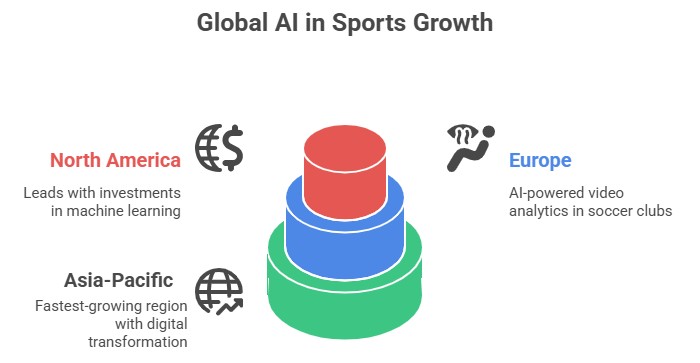
Performance vs. Cost
High-fidelity tracking systems offer granular player metrics but demand significant computational resources. Smaller budgets may find that predictive models for injury prevention provide better value than real-time tactical adjustments. The initial setup cost for camera-based tracking can exceed $100,000, while cloud-based subscription models offer scalable alternatives.
| Feature | Real-Time Tracking | Predictive Modeling | Hybrid Approach |
|---|---|---|---|
| Latency | Sub-second | Hours to Days | Minutes |
| Infrastructure | On-premise Servers | Cloud Subscription | Mixed |
| Primary Use | In-game Tactics | Injury & Scouting | Balanced Strategy |
| Cost Tier | High | Low-Medium | Medium-High |
Privacy and Compliance
New 2026 data standards emphasize player consent and data ownership. Teams must ensure their analytics providers comply with evolving regulations regarding biometric data. Failure to secure proper consent can lead to legal challenges and public relations issues, overshadowing any competitive advantage gained from the data.
Decision Framework
Start with a clear question: Are you trying to win games today or build a sustainable roster for tomorrow? Real-time tracking supports immediate tactical shifts, while predictive models focus on long-term asset management. Most successful organizations now adopt a hybrid approach, using predictive insights for roster construction and real-time data for in-game adjustments.
Choosing the Right AI Analytics Approach
The shift toward 2026’s new data standards requires organizations to move beyond general AI adoption. The decision now hinges on whether your team prioritizes real-time tactical adjustments or long-term strategic forecasting. This choice determines your infrastructure needs, talent requirements, and immediate return on investment.
Real-Time Tactical Analysis
Real-time systems process live data streams to inform in-game decisions. These tools are essential for sports where split-second reactions dictate outcomes, such as basketball or soccer. Teams using these systems can adjust defensive formations or substitution patterns based on immediate opponent behavior.
The primary tradeoff is latency. While the insights are immediate, the computational cost is high. You need robust edge computing capabilities to ensure data is processed without lag. This approach suits teams with existing technical infrastructure and a need for immediate competitive advantages.

Focus on integrating wearable sensor data and video feeds into a unified dashboard. This allows coaches to view player biometrics alongside tactical positioning in real time. The goal is to reduce the time between data collection and coaching decision-making.
Long-Term Strategic Forecasting
Strategic forecasting uses historical data to predict season-long trends, player development, and draft outcomes. This approach is less about the next play and more about building a sustainable competitive edge over years. It is particularly valuable for salary cap management and roster construction.
The benefit is depth. These models can identify subtle patterns that are invisible in real-time analysis. However, the feedback loop is slow. If a model’s assumptions are incorrect, it may take an entire season to realize the error. This approach requires a larger pool of historical data to train effectively.
Consolidate multi-season performance data, including player tracking and game outcomes. Clean and standardize this data to meet 2026’s new interoperability standards. This foundation allows you to run simulations that test different roster configurations against historical opponents.
Hybrid Decision Framework
Most successful organizations adopt a hybrid model. They use real-time systems for immediate tactical adjustments and strategic models for long-term planning. This requires a unified data architecture that can handle both high-frequency and batch processing.
The challenge is integration. Bridging the gap between live operations and strategic planning teams often creates silos. Establish clear data governance protocols early. Ensure that insights from one system inform the other, creating a continuous feedback loop that improves both tactical and strategic accuracy.

Select a platform that supports both streaming and batch processing. Train staff to interpret outputs from both real-time and historical models. This unified approach ensures that short-term decisions do not contradict long-term strategic goals.
Spotting Weak AI Sports Analytics Options
The 2026 sports analytics landscape is crowded with vendors promising to revolutionize team strategies through artificial intelligence. While the potential is real, many current offerings rely on superficial metrics or opaque algorithms that fail to deliver actionable insights. Teams must look beyond marketing hype to identify tools that genuinely enhance decision-making. This section outlines the common pitfalls and weak options that can derail a sports analytics implementation.
The "Black Box" Prediction Model
Many platforms claim to predict player performance or game outcomes with high accuracy. However, these models often lack transparency, making it impossible for coaches to understand the reasoning behind their recommendations. Without explainability, a coach cannot trust a model that suggests a tactical shift without clear justification. This opacity creates a significant risk, as decisions based on unverified AI outputs can lead to costly errors on the field. Teams should prioritize models that provide clear, interpretable metrics rather than those offering only final predictions.
Overreliance on Historical Data
A common mistake is using AI systems that are trained exclusively on historical data. While past performance is a useful indicator, it fails to account for real-time variables such as player fatigue, weather conditions, or sudden tactical changes. A model that ignores current context can provide misleading advice, leading to strategies that are obsolete before they are executed. Effective sports analytics must integrate real-time data streams to adapt to the dynamic nature of live competition.
Ignoring Human Expertise
Some vendors position their AI as a replacement for human analysts and coaches. This approach is fundamentally flawed. AI is most effective when it augments human judgment, not when it supplants it. Coaches bring contextual understanding and intuition that algorithms cannot replicate. The best sports analytics solutions are designed to support decision-makers, providing them with data-driven insights that complement their expertise. Teams that treat AI as a collaborative partner rather than an authority will achieve better results.
Poor Data Integration
Another weak option is a platform that cannot seamlessly integrate with existing data sources. Sports teams generate vast amounts of data from various systems, including wearables, video analysis, and statistical databases. An AI tool that operates in isolation creates data silos, limiting its effectiveness. Seamless integration ensures that the AI has access to a comprehensive view of the team's performance, enabling more accurate and holistic analysis. Teams should evaluate vendors based on their ability to connect with their current tech stack.
Choosing the Right Analytics Partner
When selecting an AI sports analytics provider, focus on transparency, real-time adaptability, and integration capabilities. Look for vendors who emphasize collaboration with human experts and offer clear, interpretable insights. Avoid platforms that promise quick fixes or operate as opaque black boxes. By prioritizing these criteria, teams can leverage AI to enhance their strategic edge without falling victim to common pitfalls.
No comments yet. Be the first to share your thoughts!