
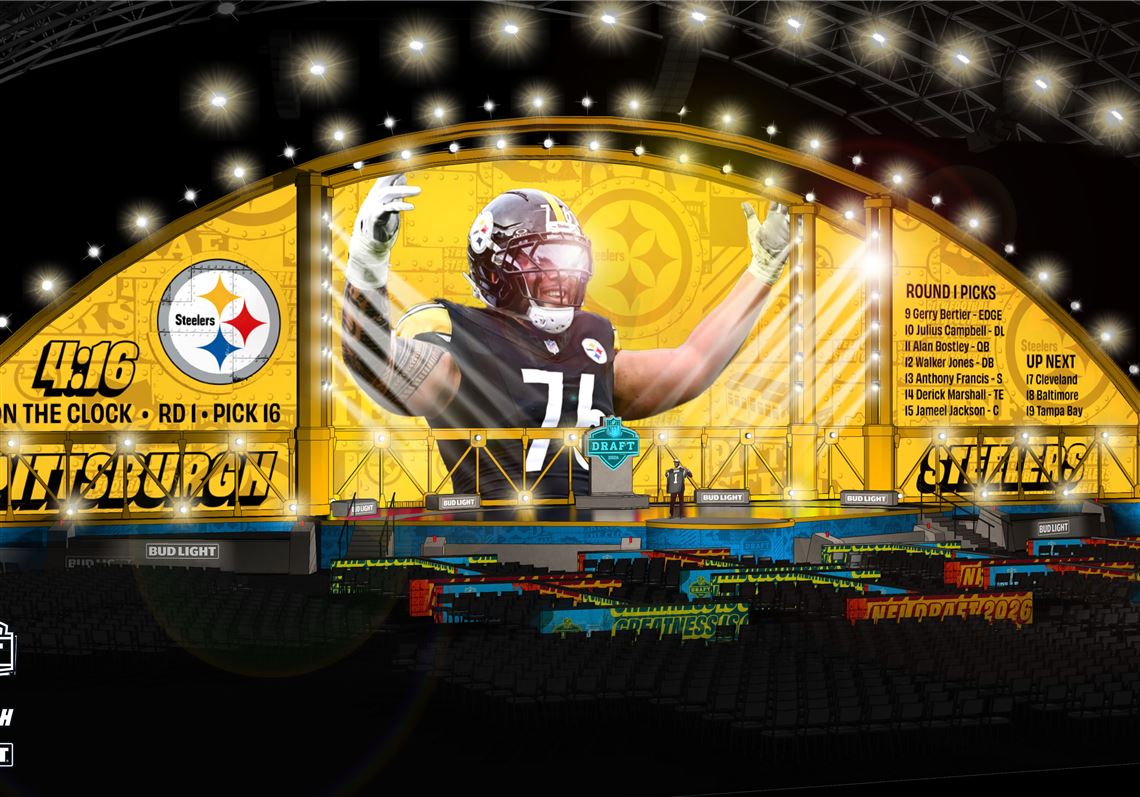
2026 NFL Draft Overview
The 2026 NFL Draft served as the 91st annual gathering of National Football League franchises to select newly eligible college players. Hosted in Pittsburgh, the event transformed the city into the central hub for team decision-makers, scouts, and prospects. The Steelers' organization coordinated a record-breaking schedule that emphasized accessibility and safety for the thousands of attendees who traveled to witness the proceedings.
The draft structure remained consistent with recent traditions, spanning seven rounds and three days. A total of 257 picks were distributed across the weekend, allowing every franchise to evaluate and secure talent for their upcoming seasons. This volume of selections underscores the depth of the player pool and the complex roster-building challenges each general manager faces when navigating the 2026 NFL Draft landscape.
Pittsburgh provided a fitting backdrop for this pivotal moment in the league's calendar. The city's infrastructure supported the logistical demands of the event, from media operations to fan engagement zones. As teams finalized their boards and executed their strategies, the focus shifted from speculation to action, setting the stage for the detailed prospect analysis that follows.
Top prospects who changed the board
The 2026 NFL Draft reshaped the league’s hierarchy through a series of high-leverage selections that prioritized positional value over name recognition. While general consensus picks provided stability, the most impactful moves came from teams targeting specific skill sets that filled critical roster gaps. These early-round selections demonstrated that board value is determined by fit as much as talent.
Omar Cooper Jr. emerged as a pivotal pick for the New York Jets. Selected 30th overall in the first round, the wide receiver from Indiana provided immediate depth and vertical threat to a receiving corps that had struggled with consistency. Acquired via trade with the Denver Broncos, the Jets secured a versatile playmaker who could stretch the field and operate effectively in slot alignments. His selection signaled a clear intent to modernize the offense with more dynamic passing options.
Defensive line depth also drove significant board movement. Zxavian Harris, a defensive tackle from Ole Miss, was identified by multiple evaluators as a top-tier interior presence. His ability to disrupt backfield mechanics and command double teams makes him a foundational piece for any defensive front. Teams willing to invest early in interior defensive line talent gained a long-term advantage in pass rush efficiency and run-stopping capability.
| Prospect | Position | College | Draft Slot | Team |
|---|---|---|---|---|
| Omar Cooper Jr. | WR | Indiana | Round 1, Pick 30 | New York Jets |
| Zxavian Harris | DT | Ole Miss | Round 1 | Team Dependent |
| Deontae Lawson | LB | Alabama | Round 1 | Team Dependent |
| J'Mari Taylor | RB | Virginia | Round 1 | Team Dependent |
| Le'Veon Moss | RB | Texas A&M | Round 1 | Team Dependent |
The visual landscape of the 2026 NFL Draft in Pittsburgh underscored the scale of these decisions. As teams gathered for their official looks at the draft layout, the pressure to make correct evaluations was palpable. Each pick rippled through the salary cap and roster construction for years to come.
Round 1 picks and team strategies
The first round of the 2026 NFL Draft serves as the primary indicator of each franchise’s immediate direction. General Managers prioritize value over need, targeting players who can shift the board’s balance or address a critical void in the starting lineup. The strategic reasoning behind these selections often hinges on trade capital, salary cap flexibility, and the specific schematic fit of the prospect.
Top picks in this round frequently involve high-upside athletes who offer immediate impact or long-term stability at premium positions. Teams that trade down often accumulate additional capital to bolster depth, while those holding the top slots must secure foundational pieces. The 2026 NFL Draft landscape reflects a clear trend toward versatile defenders and dual-threat quarterbacks, reshaping how teams approach roster construction.
Analyzing these moves requires looking beyond the jersey number. A pick represents a multi-year commitment that impacts the salary cap and draft capital for years to come. Successful strategies in Round 1 align with a team’s existing core, ensuring that new additions complement rather than conflict with established leaders.


As an Amazon Associate, we may earn from qualifying purchases.
Notable trades and draft capital moves
The 2026 NFL Draft was defined by aggressive maneuvering before the first pick was even announced. General managers treated draft capital like currency, spending heavily to secure elite talent or hoarding picks to build depth. This activity reshaped the draft order, turning potential lottery tickets into immediate roster upgrades for franchises willing to pay the price.
Teams that traded down often gained volume, allowing them to plug multiple holes with mid-round selections. Conversely, teams trading up paid a premium in future picks to secure a franchise cornerstone. The cost of moving up has increased significantly, with top-tier prospects commanding second-round assets or higher. This inflation forced many teams to choose between immediate impact players and long-term structural flexibility.
The most significant moves involved high-value assets. Several first-round selections changed hands, altering the trajectory of multiple franchises. These trades were not merely about swapping numbers on a board; they reflected a calculated risk on player development and team timelines. The final draft order stood as a testament to which front offices successfully anticipated market demands.
Pro-Football-Reference provides a detailed timeline of these transactions, allowing fans to track exactly how each pick was acquired and the subsequent value delivered by the drafted players. Analyzing these trades offers a clear view of which teams succeeded in the draft market and which overextended themselves.
Positional breakdown and depth charts
The 2026 NFL Draft saw teams prioritize offensive line depth and secondary coverage above all else. Offensive tackles were the most selected group, with ten first-round picks going to pass protectors. This trend reflects the league's ongoing emphasis on protecting elite quarterbacks and maintaining offensive stability.
Cornerbacks and safeties followed closely, with 18 defensive backs selected in the first three rounds. Teams addressed coverage vulnerabilities by targeting versatile players who can switch between man and zone responsibilities. The defensive line saw a more balanced distribution, with interior linemen and edge rushers picked in equal measure.
Quarterbacks and wide receivers were selected in lower volumes relative to their importance. Only four quarterbacks were taken in the first round, signaling a cautious approach to high-cost positions. Wide receiver depth was built through mid-round picks, with teams looking for reliable slot options and special teams contributors.


As an Amazon Associate, we may earn from qualifying purchases.
No comments yet. Be the first to share your thoughts!