

Why AI tools matter in 2026 drafts
Fantasy sports is no longer just about reading box scores and trusting your gut. The market is shifting rapidly toward data-driven decision-making, with the global fantasy sports industry projected to reach $67.7 billion by 2034, up from $31.6 billion in 2025. This growth is largely fueled by the integration of AI-assisted tools that process player projections, injury reports, and matchup data in real time. In 2026, relying on manual research is a competitive disadvantage; AI tools provide the speed and depth needed to outmaneuver opponents who are still working with static spreadsheets.
The difference between a good draft and a championship run often comes down to efficiency. AI platforms can analyze thousands of data points in seconds, identifying sleepers and busts that human analysts might miss due to cognitive bias or time constraints. For example, tools like FantasyPros AI and DraftKings Player Lab offer predictive modeling that adjusts for variables like weather, defensive matchups, and recent performance trends. These aren't just abstract categories; they are concrete instruments that transform raw data into actionable draft strategy.
Adopting these tools doesn't mean surrendering your judgment to a machine. Instead, it means augmenting your expertise with computational power. As the sports industry trends toward AI operation tools for fan engagement and strategy, fantasy managers who leverage these technologies gain a significant edge. The goal is to use AI to handle the heavy lifting of data aggregation, freeing you to focus on the nuanced decisions that truly win championships.
Top AI draft assistants for 2026
The modern fantasy draft room has shifted from intuition to data. AI-driven draft assistants now serve as the primary engine for decision-making, processing thousands of projections in real-time to identify value before your opponents do. For 2026, the most effective tools are those that seamlessly integrate Average Draft Position (ADP) tracking with high-fidelity player projections, allowing managers to react to market movements instantly.
These platforms function less like static reference sites and more like dynamic co-pilots. They monitor live draft data across major leagues, adjusting their recommendations based on where players are actually being selected rather than where they were projected to go in August. This real-time feedback loop is essential for capitalizing on late-round steals or identifying players who are slipping due to temporary narrative biases.
The core value of these assistants lies in their ability to synthesize ADP data with projection accuracy. By cross-referencing historical draft trends with current season projections, they highlight discrepancies where the market is mispricing talent. Whether you are managing a standard 12-team league or a complex dynasty setup, these tools provide the concrete data points needed to justify every pick.
Key Features to Look For
When evaluating AI draft assistants for the 2026 season, focus on three critical capabilities: live ADP synchronization, projection confidence intervals, and customizable tiering. The best tools update their data streams continuously, ensuring that your draft board reflects the current reality of the draft floor rather than a snapshot from weeks ago.
Projection accuracy remains the foundation of any AI tool. Look for systems that provide confidence intervals alongside their point projections, helping you understand the variance risk associated with each player. This distinction is vital when deciding between a high-ceiling boom player and a safe, floor-oriented option in the middle rounds.
Customizable tiering allows you to group players of similar projected value, making it easier to identify when to select a player versus when to wait. AI assistants that automate this process based on your league's specific scoring settings and roster requirements save significant time and reduce decision fatigue during the heat of the draft.
Recommended AI Draft Tools
While the landscape of AI draft assistants is evolving rapidly for 2026, several platforms have established themselves as leaders in providing actionable, data-driven advice. These tools are widely used by professional analysts and serious hobbyists alike for their reliability and depth of analysis.
Draft Wizard continues to be a top choice for its robust ADP tracking and real-time recommendations. Its interface allows managers to input their current draft position and receive immediate suggestions based on the remaining player pool. The platform's integration with major league settings makes it a versatile tool for both redraft and dynasty formats.
FantasyPros has enhanced its AI capabilities with the introduction of the Consensus Player Card and advanced draft simulators. These features leverage aggregated data from multiple projection sources to provide a more balanced view of player value. The AI-driven insights help users filter out the noise of early-season trends and focus on sustainable performance metrics.
Yahoo Fantasy has also integrated more sophisticated AI-driven recommendations into its draft assistant, particularly for its football and baseball leagues. The tool uses historical draft data and current injury reports to adjust its suggestions dynamically. This makes it a strong option for managers who prefer an all-in-one ecosystem for their fantasy sports activities.

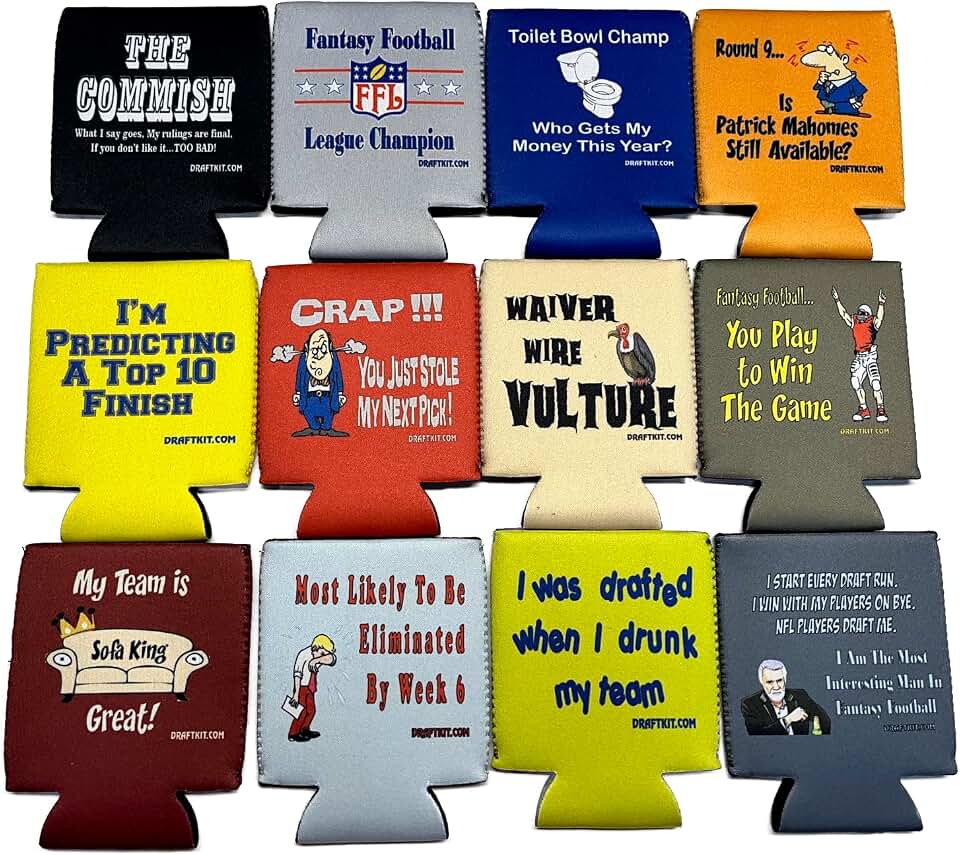

As an Amazon Associate, we may earn from qualifying purchases.
Comparing analytics platforms and algorithms
Choosing the right fantasy sports tool for 2026 comes down to how each platform sources data and applies it. While some services rely on basic historical averages, others integrate advanced machine learning models to project player performance. The best platforms for drafts combine official league data with proprietary algorithms that adjust for injuries, weather, and matchup difficulty.
The table below breaks down the core differences between the leading analytics platforms. These tools vary significantly in their AI capabilities, data freshness, and interface design, which directly impacts your draft-day confidence.
| Platform | Primary Data Source | AI/ML Model | User Interface |
|---|---|---|---|
| FantasyPros | Official league APIs + aggregated stats | Projections powered by multi-model ensemble | Clean, mobile-first dashboard |
| Yahoo Fantasy | Internal historical database + NFL data | Basic trend analysis and sleepers | Traditional grid-based layout |
| ESPN Fantasy | Real-time ESPN stats integration | Limited predictive modeling | News-heavy, social-focused |
| FantasyData | Direct NFL play-by-play feeds | Advanced deep-learning projections | Data-dense, desktop-optimized |
FantasyPros stands out for its ensemble model, which aggregates projections from multiple experts and algorithms to reduce outlier errors. This approach is particularly useful during the early rounds of a draft when player roles are less defined. In contrast, platforms like ESPN and Yahoo prioritize ease of use and social integration over deep analytical depth. Their interfaces are designed for quick navigation rather than complex data scrutiny.
For managers who prioritize raw data accuracy, FantasyData offers direct access to NFL play-by-play feeds. This provides a granular view of player usage that simpler platforms miss. However, the interface is less intuitive for casual users. The choice ultimately depends on whether you value comprehensive algorithmic depth or a streamlined, user-friendly experience.
![Fantasy Football Draft Board 2025-2026 [ Premium 10 Team, 12 Team,14 Team Boards ]](https://m.media-amazon.com/images/I/713Pl3PKHYL._AC_UL960_QL65_.jpg)
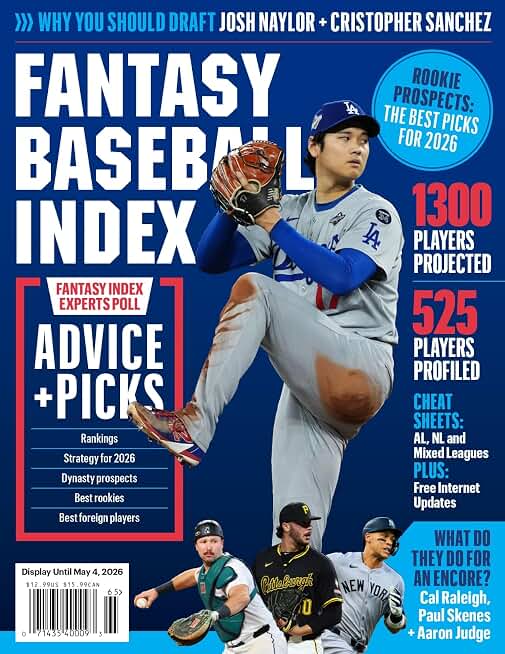
As an Amazon Associate, we may earn from qualifying purchases.
Integrating betting algorithms with fantasy strategy
Sports betting markets are the most efficient information processors in the industry. For fantasy drafters, these markets offer a real-time signal of player value that traditional statistics often miss. By analyzing betting algorithms, you can identify where the public sentiment diverges from objective probability, creating opportunities for value betting in your draft.
The core advantage lies in market sentiment analysis. Betting lines move based on sharp money and public volume, reflecting nuanced factors like injury reports, weather conditions, and coaching tendencies before they appear in standard fantasy projections. When a player’s odds shorten significantly against the spread or over/under totals, it often signals insider confidence or a specific tactical matchup advantage. Tracking these shifts helps you prioritize players who are undervalued by the broader fantasy community.
To execute this strategy, you need tools that aggregate and interpret this data. Products like OddsChecker provide the raw line movement data necessary to spot discrepancies between sportsbooks. Meanwhile, platforms like Action Network offer algorithmic projections that blend betting market data with traditional stats, allowing you to see if a player is "overvalued" by the public but "undervalued" by the money. Using these tools together allows you to draft players who are flying under the radar in fantasy leagues but are heavily backed in the betting market.
The goal is not to become a sportsbook, but to use their data as a filter. When your traditional analysis points to a player, check the betting market. If the algorithms agree, you have a strong draft pick. If they disagree, dig deeper. This integration turns betting data from a separate activity into a competitive edge for your fantasy draft.
Frequently asked questions about 2026 tools
Are AI fantasy sports tools worth the subscription cost? AI tools function as a force multiplier rather than a crystal ball. They process thousands of data points—such as snap counts and target share—to highlight undervalued players. For the 2026 season, the best AI draft assistants, like those integrated into platforms such as FantasyPros or RotoWire, help you identify value picks in the middle rounds where human bias often leads to overpaying for popular names. The cost of a premium subscription is usually negligible compared to the value of securing a high-upside waiver wire pickup early in the season.
How accurate are AI projections for the 2026 draft? AI models are exceptionally good at identifying statistical trends and historical correlations, but they cannot account for sudden roster changes, coaching philosophy shifts, or injuries. As noted by industry analysts, 2026 trends show a shift in passing volume and defensive schemes that even advanced models struggle to predict with 100% certainty. Use AI projections as a baseline for your draft board, but rely on your own research and expert commentary from sources like NBC Sports or ESPN to adjust for real-world variables that algorithms miss.
Which AI tools integrate with my existing fantasy platform? Most top-tier AI tools operate independently and provide data exports or browser extensions that you can apply to your specific platform, whether that is Yahoo, ESPN, or Sleeper. Look for tools that offer seamless ADP (Average Draft Position) tracking and player comparisons. For example, tools like FantasyData or Rotogrinders provide real-time data feeds that can be cross-referenced with your league settings. Avoid tools that require you to migrate your entire league to a new ecosystem; the best 2026 draft assistants enhance your current workflow rather than replacing it.
No comments yet. Be the first to share your thoughts!