
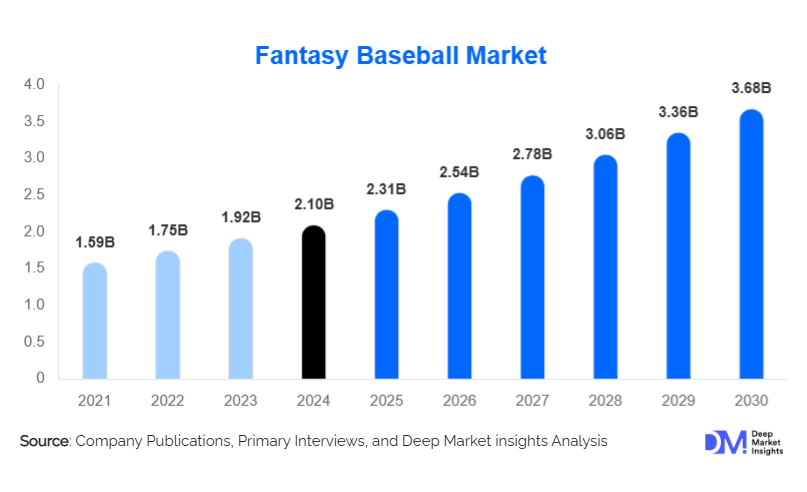
What defines AI fantasy sports in 2026
The transition from traditional fantasy sports to AI-augmented formats marks a structural shift in how value is created and managed. In 2026, the distinction between human strategy and algorithmic execution is blurring. AI is no longer just a passive research tool; it is an active participant in the decision-making loop, altering the risk profile and competitive dynamics of block betting and fantasy leagues.
Three elements define this new landscape:
- Predictive Modeling at Scale: AI tools now ingest historical and current player data to simulate weekly outcomes with high precision. This moves decision-making from intuition to probability-based analysis, allowing managers to identify value gaps that human scouts might miss.
- Autonomous Agent Participation: The 2026 season sees the emergence of AI agents as entrants in their own right. In certain formats, such as the World Cup 2026 fantasy football variants, AI agents build rosters and make lineup decisions autonomously, competing directly against human managers or other agents.
- Integration with Real-Time Data: The rise of automated systems, like the MLB’s Automated Ball-Strike Challenge System, demonstrates how AI is embedded in the physical sport itself. This data feeds back into fantasy algorithms, creating a tighter coupling between on-field events and fantasy outcomes.
This shift requires a cautious approach. While AI offers superior data processing, it does not eliminate the uncertainty inherent in sports. The 10–20–70 rule for AI implementation remains relevant: 10% of effort goes to algorithms, 20% to technology, and 70% to people and processes. Over-reliance on AI without understanding its limitations can lead to significant losses in high-stakes environments.
Smart contracts automate league payouts
Blockchain integration in fantasy sports shifts the mechanism of prize distribution from manual accounting to automated code execution. By embedding payout logic into smart contracts, platforms remove the intermediary step where administrators manually verify winners and process payments. This structural change ensures that prize distribution is instantaneous and immutable, directly tied to verified game outcomes recorded on the ledger.
The primary advantage lies in the elimination of trust deficits. In traditional leagues, users must rely on the platform’s internal integrity to disburse funds correctly and promptly. Smart contracts operate on a "code is law" basis: when the predefined conditions—such as a player’s statistical threshold being met—are satisfied by the data oracle, the contract automatically transfers the allocated winnings to the winner’s wallet. This removes the possibility of administrative error, delay, or withholding of funds.
However, this automation introduces new technical risks that require cautious evaluation. The security of the payout depends entirely on the integrity of the smart contract code itself. If the contract contains vulnerabilities or if the data oracle feeding it game results is compromised, the payout mechanism can be exploited. Users must recognize that while the process is transparent, the underlying code is not inherently infallible.
This shift toward algorithmic enforcement aligns with the broader trend of AI-driven fantasy leagues, where data accuracy and speed are paramount. As platforms increasingly adopt these technologies, the focus must remain on verifying the source of truth for game data. Without robust, tamper-proof data feeds, even the most sophisticated smart contracts cannot guarantee fair or accurate prize distribution.
The integration of blockchain does not replace the need for user due diligence. While it streamlines the financial aspect of fantasy sports, it does not mitigate the risks associated with speculative behavior or the volatility of crypto-based prize pools. Participants should view smart contracts as a tool for efficiency rather than a guarantee of safety, maintaining a critical perspective on how these technologies are implemented in high-stakes environments.
Autonomous agents draft and manage rosters
The fantasy sports landscape is shifting from human-driven intuition to algorithmic autonomy. In 2026, the competitive dynamic is no longer defined by who reads the news first, but by who controls the most sophisticated AI agent. These autonomous systems do not merely suggest picks; they draft, manage, and optimize rosters in real-time, competing directly against human managers and other agents.
This transition marks a departure from traditional fantasy tools. While earlier iterations of AI offered statistical rankings or basic advice, new platforms deploy agents capable of executing complex, multi-layered strategies. These agents process historical data, live game conditions, and opponent behavior to make instantaneous decisions. The result is a high-stakes environment where algorithmic strategy supersedes human gut feeling.
The implications for the industry are significant. Platforms like RotoBot and emerging agent-first leagues are testing the limits of autonomous competition. In some experimental formats, human users do not even participate in the drafting process; they build or select an agent, and the agent handles the entire season. This shifts the user's role from player to architect, focusing on the design and training of the AI rather than the daily management of the roster.
As open-weight models become more capable of tool use and long-context reasoning, these agents will grow more autonomous. The 2026 season will likely see a proliferation of agent-vs-agent leagues, where the primary skill is not sports knowledge, but the ability to engineer a more efficient algorithmic strategist.
Ethical Limits and Regulatory Scrutiny
The integration of AI into fantasy sports creates a high-stakes environment where the definition of fairness is rapidly shifting. Unlike traditional gambling, which relies on chance, fantasy sports involve skill and analysis. When algorithms begin to dictate roster decisions or pricing models, the line between competitive advantage and unfair automation blurs. This shift demands rigorous oversight to ensure that the integrity of the game is not compromised by opaque decision-making processes.
The Black Box Problem
One of the most significant ethical hurdles is the "black box" nature of many AI systems. In fantasy sports, users often rely on predictive models to make roster moves, yet these algorithms rarely explain their reasoning. When an AI suggests a specific lineup or advises against a player, the user may not understand the underlying logic. This lack of transparency makes it difficult to identify biases or errors, raising concerns about accountability. Without clear explanations, it is challenging to determine whether an AI’s suggestion is based on sound statistical analysis or flawed data patterns.
Regulatory Frameworks
Regulators are beginning to take notice of these developments. The use of AI in gambling-adjacent sports raises questions about consumer protection and fair play. Current regulations may not fully address the nuances of algorithmic decision-making in fantasy sports. As a result, there is a growing need for new frameworks that specifically target the ethical use of AI in this space. These frameworks should focus on transparency, accountability, and the protection of user data. Without such measures, the industry risks facing backlash from users who feel the game is no longer fair.
Ensuring Fair Play
To maintain trust, platforms must prioritize fairness in their AI implementations. This includes regular audits of algorithms to detect and correct biases. It also involves providing users with clear information about how AI is used in the game. By being transparent about the role of AI, platforms can help users make informed decisions and maintain confidence in the integrity of the sport. The goal is to create an environment where AI enhances the experience without undermining the competitive spirit of the game.
Key questions on AI fantasy sports 2026
The integration of artificial intelligence into fantasy sports is shifting from a novelty to a structural component of how leagues operate. For managers, this means the competitive edge no longer comes solely from raw data access, but from how effectively those tools are deployed within the constraints of league rules. The following sections address the most frequent queries regarding AI utility, the specific technological shifts expected in 2026, and the implementation of automated systems in major leagues.
The distinction between using AI for research and relying on it for decision-making is critical. As algorithms become more sophisticated, the risk of over-reliance grows. Managers who treat AI as a secondary validator of their own instincts tend to perform better than those who delegate their strategic choices entirely to the model. The technology is powerful, but it remains a tool, not a replacement for the nuanced understanding of the game.
No comments yet. Be the first to share your thoughts!