
Defining AI Fantasy Sports in 2026
AI fantasy sports in 2026 refers to the integration of predictive machine learning models into fantasy sports management, moving beyond simple statistical aggregation. While traditional platforms rely on historical data and basic projections, modern AI systems process real-time inputs—such as injury reports, weather conditions, and player fatigue metrics—to generate dynamic lineup recommendations and probability assessments.
This shift distinguishes algorithmic prediction from manual research. According to a recent study by Qlik, more than two-thirds of fantasy football fans are already using artificial intelligence to make team decisions, with nearly a third willing to let AI handle full roster control. This adoption reflects a broader transition from reactive stat-checking to proactive, data-driven strategy.
The technology operates on a spectrum. At the basic level, AI tools act as advanced aggregators, filtering vast datasets to highlight value picks. At the advanced level, these systems employ machine learning algorithms to simulate thousands of game scenarios, identifying edges that human analysts might miss. Platforms like RotoBot AI exemplify this evolution, offering AI-generated picks and live prop-edge research across multiple sports, including the NFL, NBA, and MLB.
However, not all "AI" features are created equal. Some platforms merely label their recommendation engines as "AI" without employing sophisticated predictive modeling. True AI fantasy sports involve continuous learning, where the system improves its accuracy over time by analyzing the outcomes of its own predictions. Understanding this distinction is crucial for managers who want to leverage technology without falling for marketing gimmicks.
How block sports analytics drive picks
Fantasy sports used to rely on box scores: points, yards, touchdowns. Today, AI models process block-level data to predict value before the stat sheet even updates. This shift moves fantasy drafting from reactive history to proactive probability.
Algorithms now track player collisions, positional efficiency, and blocking schemes. By analyzing how an offensive lineman creates lanes or how a defender disrupts a quarterback’s pressure, AI estimates a running back’s true yards per carry. These metrics reveal efficiency that traditional stats miss.
Traditional stats tell you what happened. AI analytics tell you what will likely happen next.
This granular view helps managers identify undervalued players. A running back with low total yards but high efficiency behind elite blockers might be a better buy than a high-volume player facing heavy pressure. The algorithm sees the blocks; the box score only sees the result.
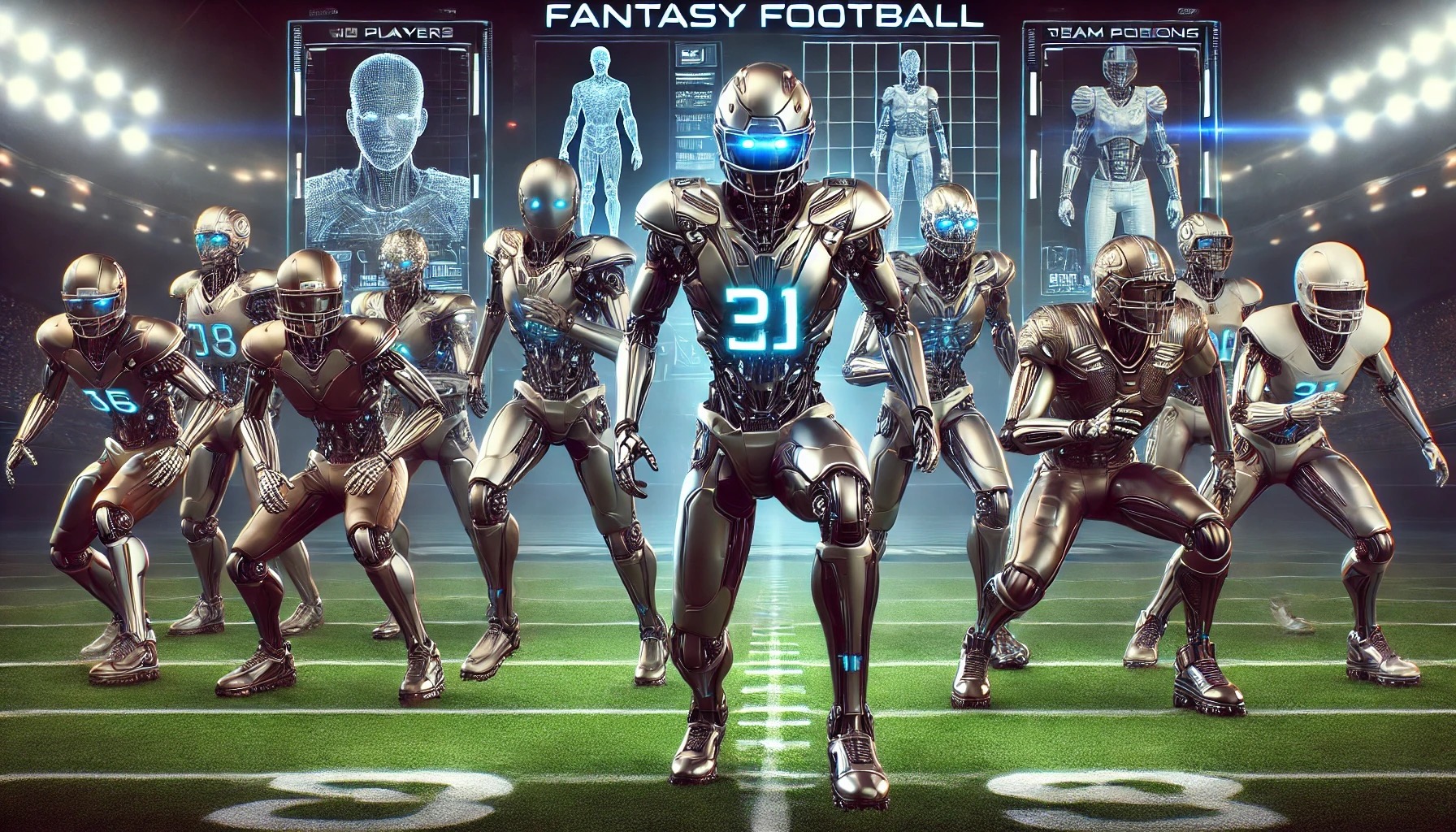
The result is a more precise roster construction. Instead of guessing who will perform well, managers use AI to quantify the impact of every block and tackle. This data-driven approach reduces bias and highlights hidden value in player matchups.
Top AI tools for fantasy managers
The landscape for AI fantasy tools has shifted from simple stat aggregators to predictive engines that optimize lineups and identify prop betting edges. In 2026, managers are no longer just looking at historical averages; they are using algorithms that process player injuries, weather conditions, and defensive matchups in real time.
According to a 2026 report by Qlik, more than two-thirds of fantasy football fans are already using AI to make roster decisions, with nearly a third willing to hand over full control to automation. This adoption is driven by tools that offer more than just basic projections—they provide actionable insights on lineup optimization and value plays.
RotoBot AI
RotoBot AI is a prominent platform that combines AI fantasy football picks with a parlay generator and live prop-edge research. It covers major leagues including the NFL, NBA, MLB, NCAAB, NHL, UFC, and F1. The tool is designed for managers who want to cross-reference player projections with betting market movements to find discrepancies.
Custom AI Cloud Platforms
Beyond consumer-facing apps, many competitive managers are turning to custom AI-powered cloud platforms. These tools, often built with dedicated desktop applications, process hundreds of events annually. They allow users to tailor algorithms to specific league settings, integrating proprietary data sources that public tools do not have access to. This approach is particularly popular in high-stakes leagues where marginal gains are critical.
| Tool | Primary Use | Sports Covered |
|---|---|---|
| RotoBot AI | Lineup optimization & prop betting | NFL, NBA, MLB, NHL, UFC, F1 |
| Custom Cloud Platforms | Tailored roster algorithms | Varies by configuration |
The hard limits of algorithmic prediction
AI fantasy sports tools are powerful, but they are not crystal balls. These systems rely on historical data to project future outcomes, meaning they can only process what has already happened. They cannot predict the future, which is the fundamental basis of fantasy sports. When a star player suffers a sudden injury or a referee makes a controversial call, the algorithm has no prior data point for that specific event. It is a tool for analysis, not a predictor of chaos.
The inability to account for unforeseen variables is the biggest risk. Algorithms excel at identifying trends in volume, matchups, and historical performance. They struggle with the human element. A sudden coaching change, a locker room dispute, or a shift in weather conditions can derail even the most sophisticated model. Relying solely on AI ignores the reality that sports are unpredictable. You must view these tools as assistants, not replacements for your own judgment.
Current usage data highlights this tension. A recent study by Qlik found that more than two-thirds of fantasy football fans are already using artificial intelligence to make decisions for their teams. Nearly a third would hand over full control to an algorithm. This level of trust is dangerous. The 10/20/70 principle for AI adoption suggests that 70% of success comes from people and processes, not just the algorithm itself. Use AI to save time, but keep the final decision in your hands.
"AI has hard limits baked into how it works. It cannot predict the future... because the existing data is only as good as the past." — Footballguys Community
The best fantasy managers use AI to filter noise, not to make choices. Let the algorithm handle the spreadsheet work. You handle the intuition. When the unexpected happens, the human mind adapts faster than any model.
Adoption rates and user trust
The shift from manual roster management to algorithmic assistance is no longer a niche trend; it is the new standard for fantasy sports engagement. According to a recent survey by Qlik, more than two-thirds of fantasy football fans are already using artificial intelligence to make decisions for their teams. This widespread adoption signals a fundamental change in how players interact with their data.
Trust is the currency that drives this adoption. While many users rely on AI for insights, a significant portion is willing to cede control entirely. The same Qlik report found that nearly 31% of fantasy football fans would hand over full control of their teams to an algorithm. This willingness to automate highlights a growing confidence in predictive modeling over traditional scouting methods.
This reliance on data-driven insights extends beyond football. As AI tools become more sophisticated, they are reshaping expectations across all major sports. The ability to process vast amounts of player statistics and injury reports in seconds gives AI a distinct advantage over human intuition, making it an indispensable tool for modern fantasy managers.
Frequently asked questions about AI fantasy
What is the 10/20/70 rule for AI?
The 10/20/70 rule is a resource allocation framework often cited in business and tech adoption, including fantasy sports management. It suggests devoting 10% of resources to algorithms, 20% to technology and data infrastructure, and the remaining 70% to people and processes. For fantasy managers, this means the human element—understanding context, injuries, and team dynamics—should outweigh the raw computational power of the tools you use.
Are people using AI for fantasy football?
Adoption is already widespread among serious players. Recent data indicates that more than two-thirds of fantasy football fans are using artificial intelligence to make lineup decisions, with nearly a third willing to hand over full control to automated systems. This shift reflects a broader trend where data integration and predictive analytics are becoming standard utilities rather than niche experiments.
Can AI predict the future of fantasy sports?
No algorithm can predict the future with certainty, as fantasy sports rely on unpredictable human performance and real-time variables. AI models are limited by the data they are trained on and cannot account for unforeseen events like sudden injuries or coaching changes. Instead of predicting the future, these tools provide probabilistic assessments based on historical patterns, helping managers make informed decisions rather than guaranteed ones.
No comments yet. Be the first to share your thoughts!