
The 2026 fantasy sports market size and ai integration
The fantasy sports industry is expanding rapidly, driven by macroeconomic tailwinds and a fundamental shift in how participants engage with the game. Valued at USD 31.6 billion in 2025, the global market is projected to reach USD 67.7 billion by 2034, growing at a compound annual growth rate (CAGR) of 8.8% Research and Markets. This expansion is not merely about more users; it is about deeper engagement, fueled by sophisticated technology.
The primary driver of this growth is the integration of artificial intelligence. AI has moved beyond simple statistical dashboards to become an active participant in the drafting and management process. Draft assistants now use machine learning to simulate thousands of outcomes in seconds, offering real-time advice on player selection, waiver wire pickups, and lineup optimization. This shift transforms fantasy sports from a hobby reliant on intuition into a data-driven discipline where AI acts as a co-pilot for decision-making.
The 2026 landscape is further energized by major global events, including the FIFA World Cup co-hosted by the United States. These events bring new audiences to sports betting and fantasy platforms, accelerating the adoption of AI tools among casual fans who previously viewed these games as niche activities. The convergence of massive market growth and accessible AI technology is redefining the competitive edge in fantasy sports.
How ai draft assistants work
AI draft assistants have shifted from passive analytics to active decision support. Instead of simply displaying historical stats, these tools process real-time data to offer personalized recommendations for sports lineups. They act as a filter, sifting through thousands of player variables to highlight the most viable options for your specific roster construction.
The engine behind these assistants relies on machine learning models trained on decades of performance data. When you are in a draft, the system ingests live inputs such as injury reports, weather conditions, and recent player movement. It then cross-references this against historical outcomes to predict future performance. For example, if a key running back is ruled out an hour before kickoff, the assistant immediately recalculates the value of backup options based on their usage rates in similar scenarios.
This process allows managers to optimize picks based on both historical trends and live data. The assistant does not just tell you who is playing well; it tells you who is undervalued by the market. By identifying discrepancies between public perception and statistical probability, these tools help you secure high-upside players before they are picked by other managers.
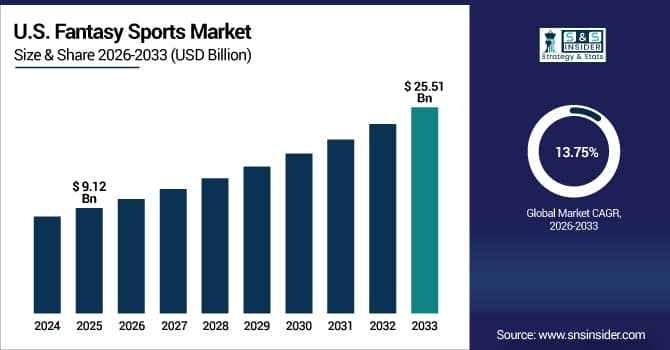
The market for these technologies is expanding rapidly, reflecting the broader growth of the fantasy sports industry. As the global fantasy sports market continues to grow, driven by a CAGR of 8.82% through 2034, the integration of AI into daily operations has become standard for serious managers. This shift underscores how data-driven insights are now essential for competitive advantage in sports lineups.
Traditional vs. AI-Assisted Drafting
The 2026 fantasy sports landscape is defined by a shift from manual intuition to algorithmic precision. While traditional drafting relies on a manager’s memory of past performance and basic projections, AI-driven strategies ingest millions of data points to simulate outcomes with far greater accuracy. This transition is not merely about speed; it is about reducing the variance inherent in human error during high-stakes decisions.
The following comparison highlights the operational differences between these two approaches across key drafting metrics.
| Metric | Traditional Drafting | AI-Assisted Drafting |
|---|---|---|
| Speed | Hours per draft | Minutes per draft |
| Data Depth | Last 3 seasons | All available historical + real-time |
| Adaptability | Manual re-rank only | Live injury/weather updates |
| Bias Risk | High (recency bias) | Low (statistical weighting) |
| Cost | Free (time-intensive) | Subscription or premium access |
Traditional drafting offers a tactile experience that many purists prefer, but it struggles with the volume of information available in modern sports analytics. Managers must manually cross-reference player stats, injury reports, and schedule difficulties, often missing subtle correlations that impact value. In contrast, AI assistants process these variables simultaneously, adjusting rankings in real-time as news breaks. This allows for a more dynamic strategy where decisions are based on current expected value rather than historical reputation alone.
The choice between methods often depends on the league format and the manager’s tolerance for technology. In casual leagues, the time saved by AI might outweigh the marginal gain in accuracy. However, in high-stakes professional or semi-professional leagues, the edge provided by AI-driven probability modeling is significant. As the industry grows, with global fantasy sports valued at USD 31.6 Billion in 2025 and projected to reach USD 67.7 Billion by 2034, the tools used to compete are becoming increasingly sophisticated [researchandmarkets.com/report/fantasy-sports].
Ultimately, AI does not replace the manager but augments their decision-making. It handles the data load, allowing the human to focus on strategic nuances, such as roster construction and waiver wire timing. For those aiming to maximize their win probability in 2026, integrating AI tools is no longer optional—it is the new standard for competitive drafting.
Sports Trends and Market Growth
The fantasy sports landscape is expanding rapidly, with the global market projected to nearly double from $31.6 billion in 2025 to $67.7 billion by 2034. This growth is driven by a shift toward direct-to-consumer broadcasting and the integration of advanced analytics into daily engagement routines. For sports fans, this means deeper data availability and more sophisticated draft tools than ever before.
The 2026 FIFA World Cup, co-hosted by the United States, Canada, and Mexico, serves as a significant catalyst for engagement. As the largest tournament in history, it introduces millions of new players to fantasy formats, many of whom transition into traditional sports leagues like the NFL and NBA. This influx creates a broader, more competitive ecosystem where AI-driven draft assistants help manage increased complexity and player valuation volatility.
Stadiums and leagues are evolving into multi-use commercial hubs, blending live attendance with digital fantasy experiences. This convergence allows fans to engage with sports through real-time data feeds and predictive modeling during games. The result is a more immersive experience where strategic preparation, powered by AI, directly influences participation and retention in fantasy markets.
The Long Game for AI in Fantasy
The fantasy sports market is expanding rapidly, with global valuations projected to grow from $31.6 billion in 2025 to nearly $68 billion by 2034. This growth is not just about more users; it is about deeper engagement driven by AI draft assistants and predictive analytics. As the industry matures, the focus is shifting from simple scorekeeping to personalized fan experiences that keep users invested year-round.
AI is becoming the operational backbone for both platforms and serious players. For operators, machine learning models optimize user retention by tailoring content and managing risk in real time. For participants, AI tools democratize access to advanced data, allowing casual fans to compete with the same analytical depth as professional analysts. This shift levels the playing field while increasing the overall sophistication of the market.
The 2026 landscape is further energized by major global events like the FIFA World Cup in North America. These mega-events will likely drive a surge in new user acquisition, creating a perfect storm for AI integration. Platforms that can seamlessly blend real-time data with intuitive AI-driven insights will capture the most value. The winners will be those who make complex data feel simple and actionable.
As the market consolidates, we can expect a split between mass-market apps focused on social engagement and niche platforms catering to high-stakes, data-heavy users. AI will be the differentiator, enabling both segments to scale efficiently. The future of fantasy sports is not just about who wins the league, but how technology transforms the way we experience the game.
No comments yet. Be the first to share your thoughts!